Rain, sleet and strong gusts place great demands on shell clothing in Northern Norway. With the right washing and waterproofing, the garments stay waterproof, breathable and comfortable – whether you are hiking in Tromsø, Senja or Lofoten.
Maintaining shell clothing – how to stay dry in the north
When rain lashes sideways in Tromsø, the wind tears across the mountain on Senja or sleet showers roll in from the sea in Lofoten, good shell clothing is absolutely essential. In Northern Norway we live close to the elements – and that places great demands on both the clothing and its upkeep.
In brief
- Wash your shell jacket regularly with detergent for technical textiles – dirt and sweat reduce water repellency.
- Re-waterproof when water stops beading: at that point the surface treatment is worn, while the membrane is still intact.
- Spray or wash-in: spray is best for lined garments, wash-in suits unlined garments such as fleece and wool.
- Heat activates the waterproofing: tumble dry on low heat if the care label permits.
Many people believe a shell jacket is "maintenance-free", but the truth is that even the best membranes need regular washing and waterproofing to perform at their best. With the right care, shell clothing stays waterproof, breathable and comfortable – year after year.
Why is maintenance important?
Shell garments are designed to protect against rain, snow and wind while still allowing the body to breathe. Over time the outer fabric accumulates dirt, salt, sweat and grease, which reduces the garment's ability to transport moisture away from the body. The result is often that the jacket feels clammy and appears to "leak", even though the membrane is still intact.
This is particularly important in Northern Norwegian conditions, where rapid changes in weather, high humidity and long periods of precipitation can take a heavy toll on technical garments.
How to wash shell clothing correctly
Before washing a shell jacket or shell trousers, always read the care label. The following advice generally applies:
- Close all zips and Velcro fastenings
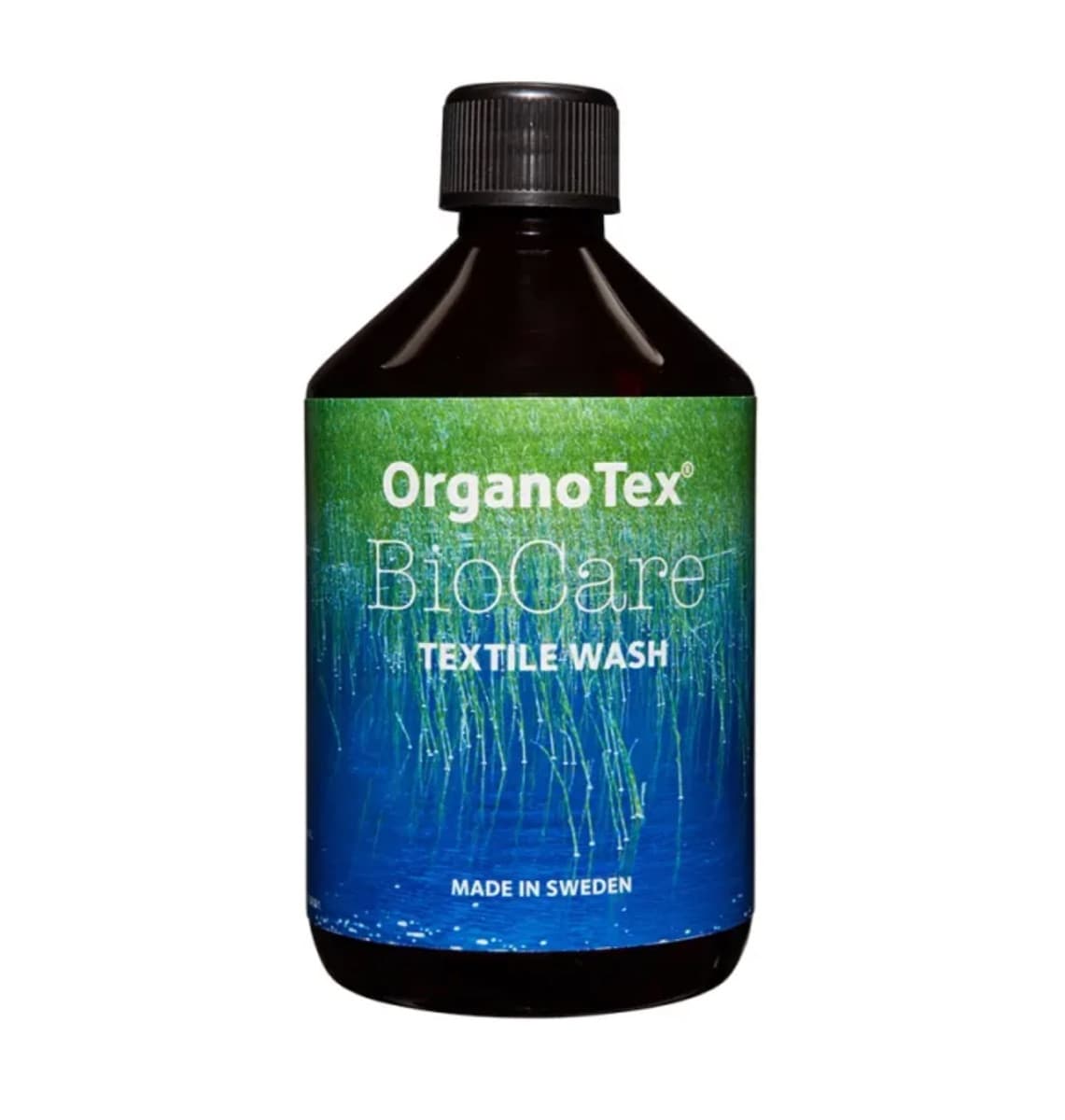
- Use liquid detergent for technical garments
- Avoid fabric softener
- Wash on a gentle programme, usually 30–40 degrees
- Give the garment an extra rinse if possible
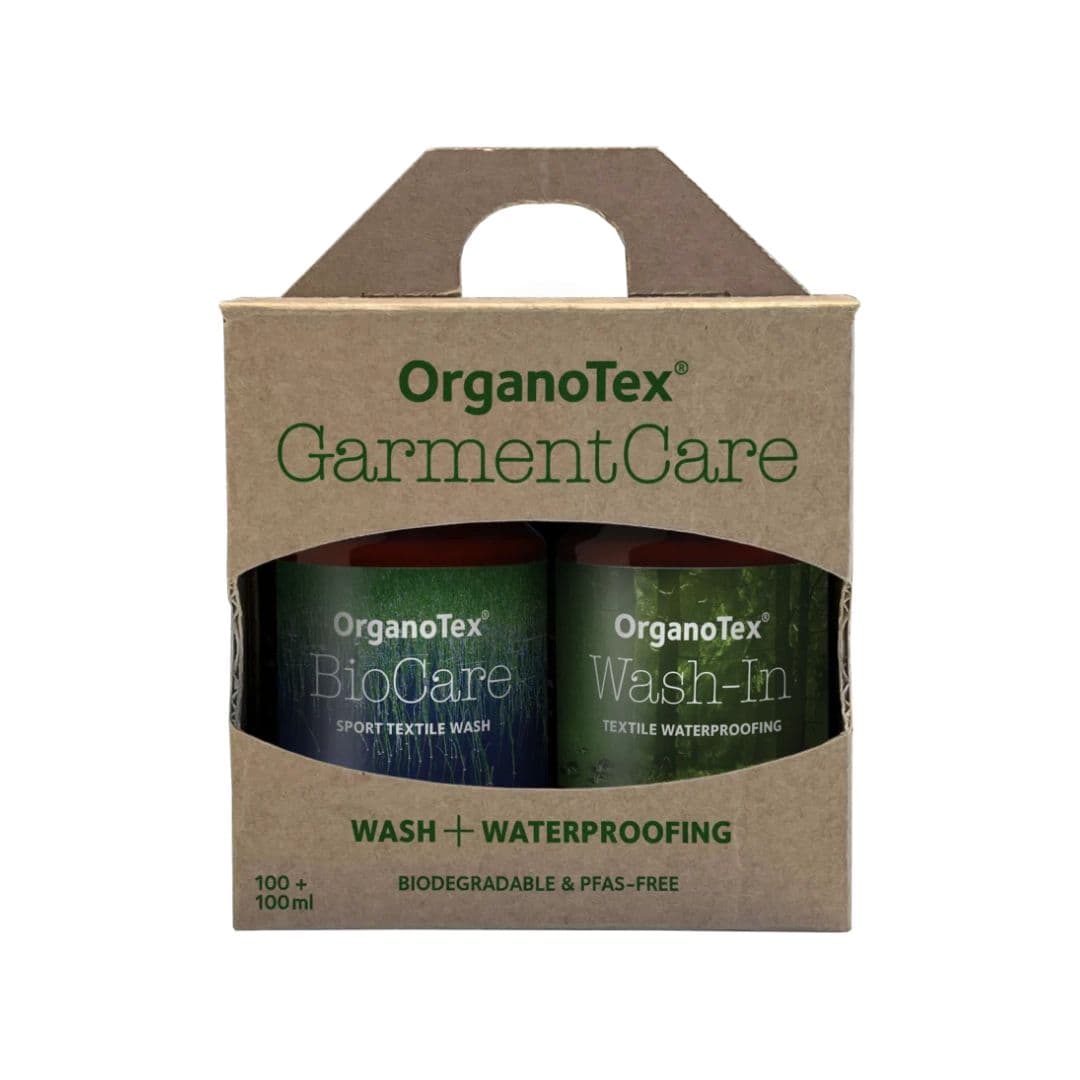
Standard detergents can leave residues that reduce breathability. For this reason many people choose products developed specifically for technical textiles, such as OrganoTex and Nikwax.
When should you waterproof shell garments?
A simple sign is to watch how water behaves on the outer fabric. If water no longer beads up but soaks into the fabric, it is time to re-waterproof. This is often referred to as the garment "wetting out".
Both OrganoTex and Nikwax offer waterproofing treatments developed for shell clothing and technical membranes. The products are designed to preserve breathability while restoring water repellency.
Spray or wash-in?
There are essentially two types of waterproofing treatment:
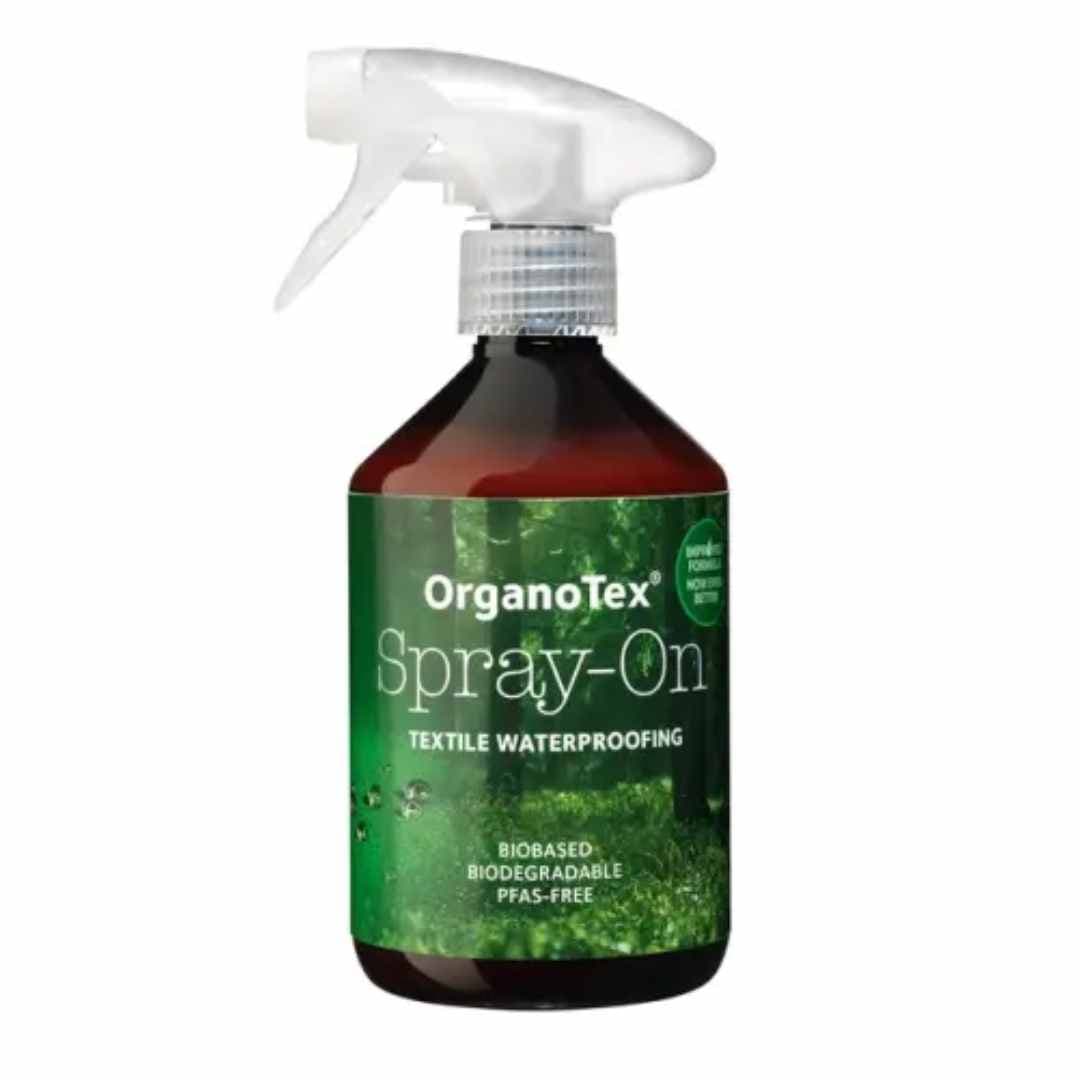
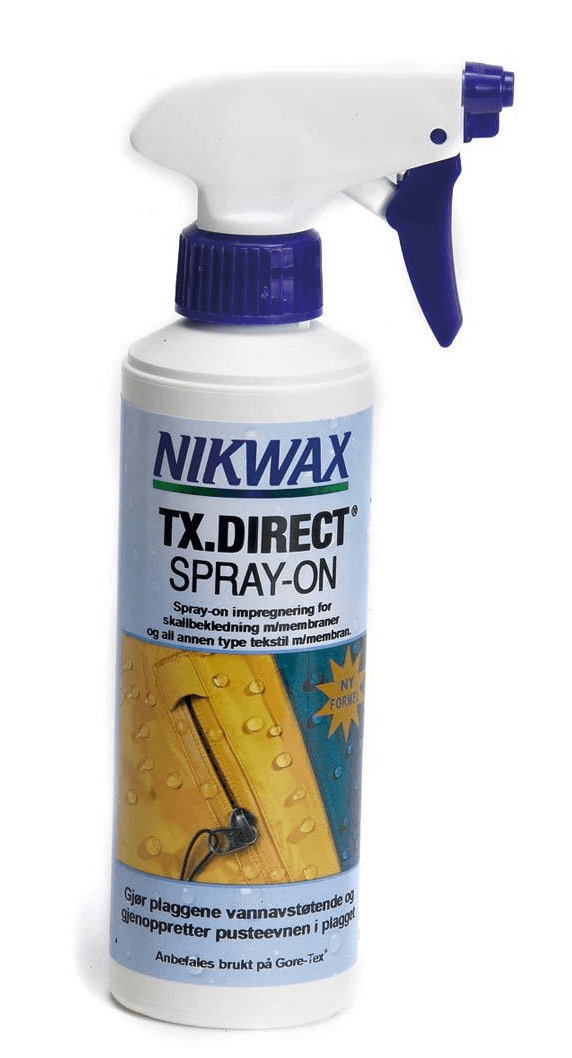
Spray-on waterproofing
Applied directly to the outer fabric and popular for shell jackets with a membrane. Many prefer spray because the treatment is only applied to the outside of the garment.
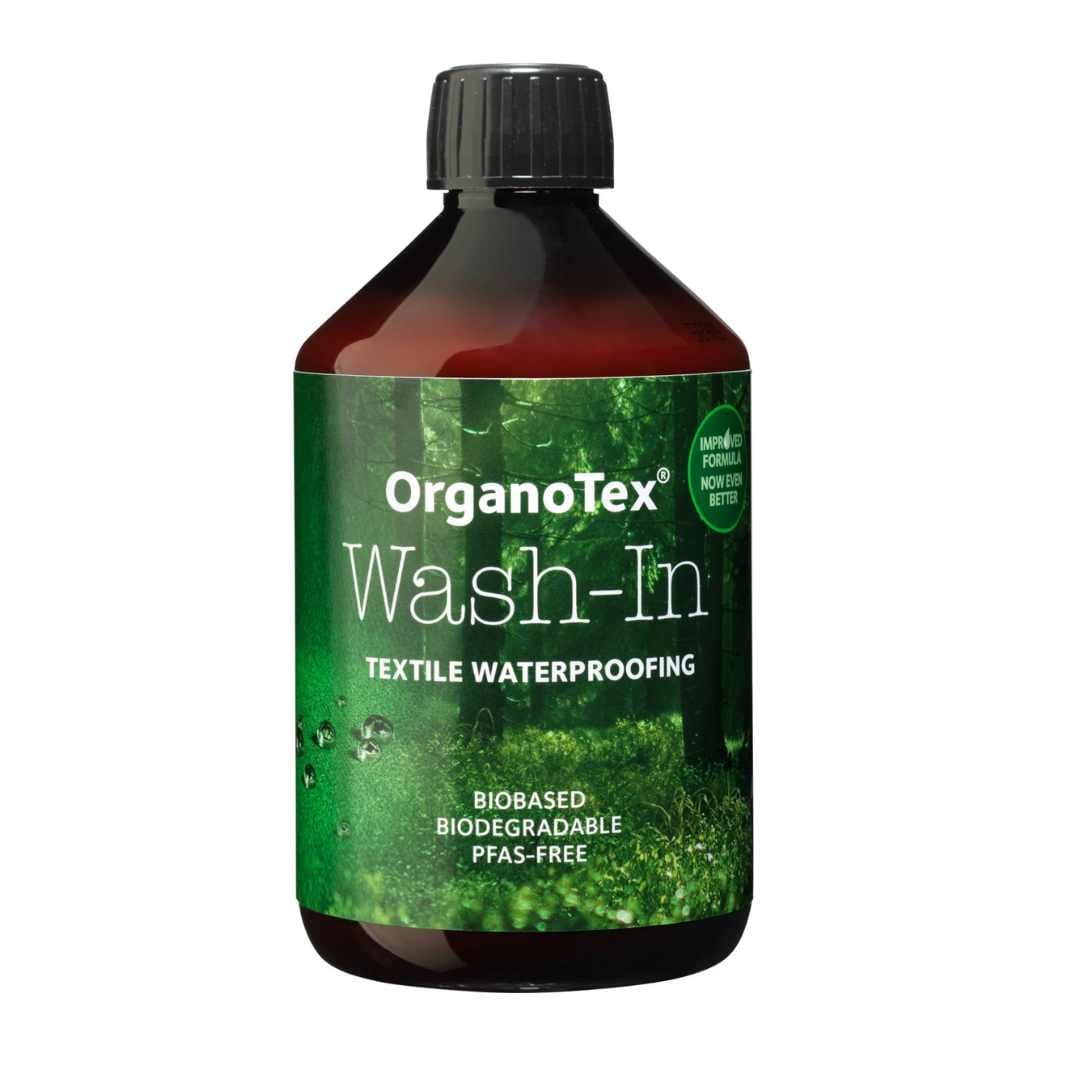
Wash-in waterproofing
Added in the washing machine and provides even treatment of the entire garment. This is convenient for larger quantities of clothing, but suits garments without a moisture-transporting lining (such as fleece and wool) best — if the garment has such a lining, spray is the better option, according to Nikwax.
OrganoTex and Nikwax are examples of PFAS-free alternatives.
Drying activates the waterproofing
Many waterproofing treatments work best when the garment receives heat treatment after washing. Low heat in a tumble dryer can help to reactivate the water-repellent surface. Always remember to follow the manufacturer's recommendations.
This is particularly useful after long days out in wet snow, on summit trips in Lyngsalpene or during autumn storms along the coast of Nordland and Troms.
How to repair holes and tears
Snags and holes from branches, ski edges and sharp rocks should be sealed before they grow larger.
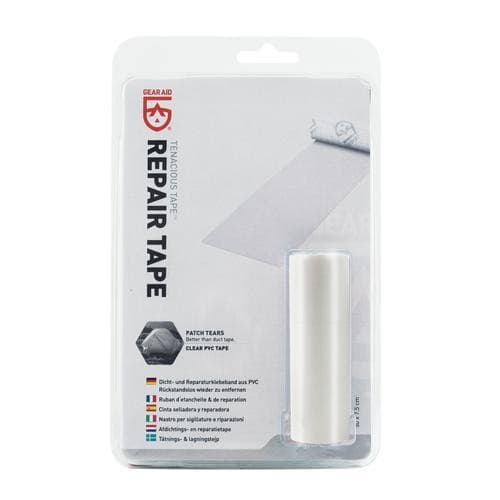
On a trip: Cut a piece of repair tape, for example Tenacious Repair Tape (199 kr), that covers the tear with a good margin. Wipe the fabric clean and press the tape firmly into place. It will usually last the rest of the trip, but is a temporary solution.
At home:
- Clean and dry the area around the damage.
- Cut a patch slightly larger than the damage and round off the corners so they do not peel away.
- Attach the patch on the inside using fabric or silicone adhesive designed for textiles, or use a self-adhesive repair patch.
- It is a good idea to apply a patch on the outside as well; press firmly to remove any air bubbles.
Repair tape, patches and adhesive can be found under repair. Damage to the membrane itself, large tears and full zip replacement on expensive garments are jobs for the manufacturer's repair service or a tailor — and check the warranty before carrying out your own repairs.
A zip that won't close
- Opens behind the slider: the slider has usually become too wide. Gently squeeze it from the sides with flat-nose pliers and test.
- Stuck: brush or rinse dirt and fabric away from the teeth, and rub a little candle wax along the teeth.
- Pull tab missing: replace it with a spare part, a key ring or a piece of cord.
- Teeth missing or tape has come loose: the zip will need to be replaced — a job for a sewing workshop or tailor.
A more sustainable outdoor lifestyle
Good maintenance is not just about comfort — it is also about sustainability. When you look after your shell clothing and repair minor damage instead of throwing it away, it lasts longer and the need to buy new items is reduced.
The waterproofing products we stock are PFAS-free, and several, such as OrganoTex, are also bio-based and biodegradable. From 10 October 2026, the PFAS substance PFHxA is banned in waterproofing sprays, clothing and footwear for consumers in Norway.
Ready for northern Norwegian weather
In Northern Norway, the weather is rarely dull. One day there is blue sky over the fjord; the next, rain comes in horizontally from the sea. That is why good maintenance of your shell clothing is just as important as the garment itself.
Sources
- GORE-TEX – Care Instructions for outerwear — washing, rinsing and reactivating the waterproofing
- GORE-TEX – Durable Water Repellent (DWR) — when the waterproofing needs renewing
- Nikwax – How to Clean and Re-Waterproof your Rain Jacket — cleaning and waterproofing
- Nikwax – TX.Direct Spray-On — when spray is better than wash-in
- OrganoTex — bio-based, biodegradable and PFAS-free waterproofing
- Miljødirektoratet – Forbyr PFAS-stoff i vanlege produkt — the PFHxA ban from 10 October 2026
Last reviewed 19.10.2026.