Good socks go unnoticed. Bad socks ruin the trip. Here we explain what thickness, cushioning, height and wool percentage mean, and present seven models we recommend — compared by material, construction, intended use and price, along with our experience from the shops in Tromsø.
In brief
- Choose thickness to suit your boot, not the thermometer. A sock that is too thick in a well-fitting boot squeezes the foot and makes you colder.
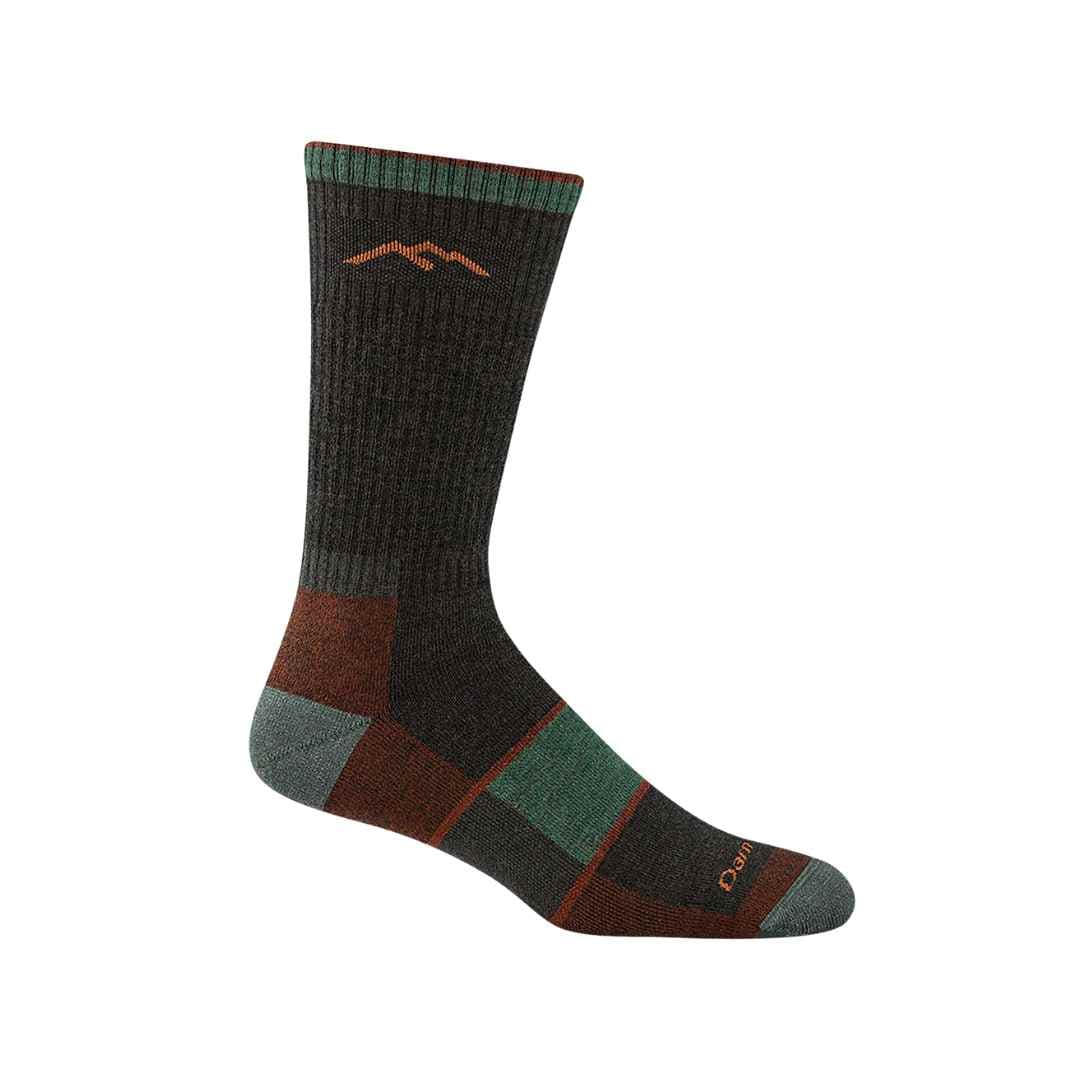
- For hiking in mountain boots: a midweight sock with cushioning and a shaft that reaches above the boot cuff. Darn Tough Hiker and Icebreaker Hike+ Medium are made exactly for this.
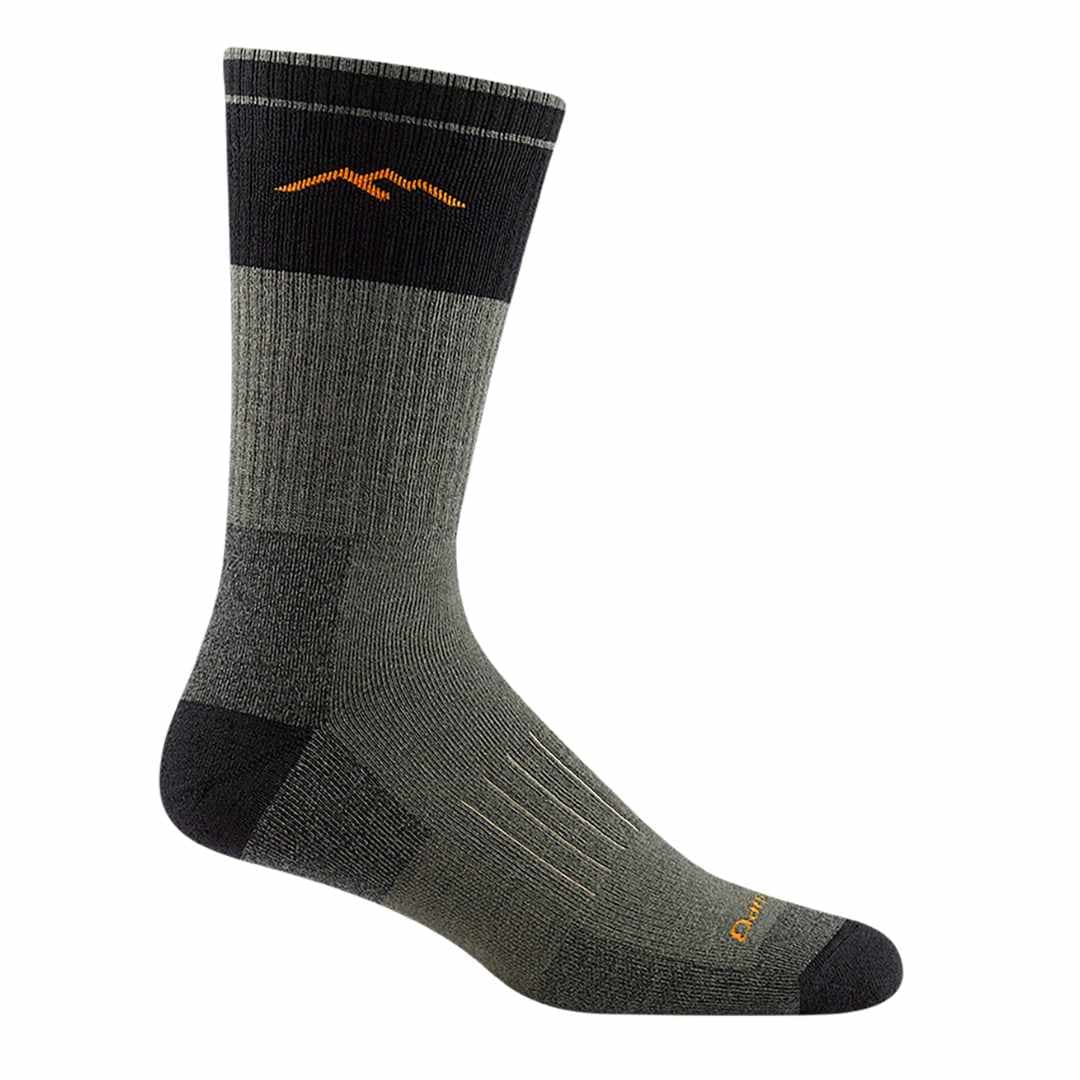
- For extreme cold and stationary use: a thick sock with terry or loops on the inside — Darn Tough Hunting Heavyweight, Aclima Hotwool or Devold Nansen.
- Darn Tough carries a lifetime guarantee from the manufacturer — you can bring the socks to our shops and we will handle the guarantee with the supplier. That explains the price of around 500 kr per pair.
- For everyday use, a three-pack from Devold is the most affordable option: 329 kr for three pairs.
How do you choose the right thickness?
Manufacturers broadly use the same terms:
| Thickness | Characteristics | Use |
|---|---|---|
| Liner / ultralight | Thin, no cushioning | Inner sock under a thicker sock, running, summer |
| Light (lightweight) | Thin with or without light cushioning under the foot | Everyday, light trail shoes, cross-country skiing |
| Mid (midweight) | Cushioning under the foot or throughout the sock | Mountain boots, year-round hiking, work |
| Thick (heavyweight) | Full terry/loops, lots of air | Winter boots, hunting, ice fishing, rubber boots, the cabin |
Bear in mind that warmth in the foot comes from air and circulation. If a thick sock makes the boot feel tight, you are squeezing out the air and compressing the foot, which will make you colder than a thinner sock would. When buying winter boots, try them on with the sock you intend to wear.
What does cushioning mean?
Cushioning is terry knit on the inside of the sock — small loops that provide softness, insulation and moisture absorption.
- No cushioning: thin and close-fitting. For those who want maximum contact with the boot.
- Cushioning under the foot (cushion): terry in the sole, heel and toe. The most common choice for hiking.
- Full cushioning (full cushion): terry throughout the entire sock, including over the instep and up the leg. Warmest, and best in stiff boots that press against the shin.
How high should the sock be?
The rule is simple: the sock should reach higher than the boot. The cuff edge of a mountain boot chafes against bare skin.
- No show / quarter: trainers and low casual shoes.
- Micro crew: just above the ankle — low and mid-cut trail shoes.
- Crew / boot: mid-calf — mountain boots, safety boots and winter boots.
- OTC (over the calf): to the knee — alpine skiing, ski touring and rubber boots.
How much wool should the sock contain?
No good hiking sock is 100 % wool in the areas that take the most wear. Nylon or polyamide adds durability, and elastane helps the sock keep its shape and prevents it from slipping down. The hiking socks in the table below contain between approximately 60 and 80 % wool. Everyday socks often contain around 50 %. Pure wool socks, such as the Aclima Lars Monsen Anárjohka in 100 % merino, are wonderful in a sleeping bag or at the cabin, but wear out more quickly in boots.
Wool retains warmth even when the sock becomes damp, and resists odour. That is why we recommend wool over cotton in summer as well. How to layer the rest of your clothing is covered in the layering guide.
Seven wool socks we recommend
Compared by material, construction, intended use and price. None of them are declared an overall winner — they cover different needs.
| Model | Brand | Wool content / construction | Suitable for | Price |
|---|---|---|---|---|
| Hiker Micro Crew Midweight With Cushion | Darn Tough | 61 % merino, 37 % nylon, 2 % elastane. Midweight, cushioning under the foot, micro crew | Trail shoes and mid-cut boots, throughout most of the year | 489 kr |
| Hiker Boot Midweight With Full Cushion | Darn Tough | 66 % merino, 32 % nylon, 2 % elastane. Midweight, full cushion, boot height | Mountain boots, heavy pack, long hikes | 535 kr |
| Hunting Boot Heavyweight With Full Cushion | Darn Tough | Merino wool blend with nylon and elastane (the exact percentage is not consistent in the product data). Thick, full cushion, boot height | Hunting, winter boots, rubber boots, stationary cold conditions | 579 kr |
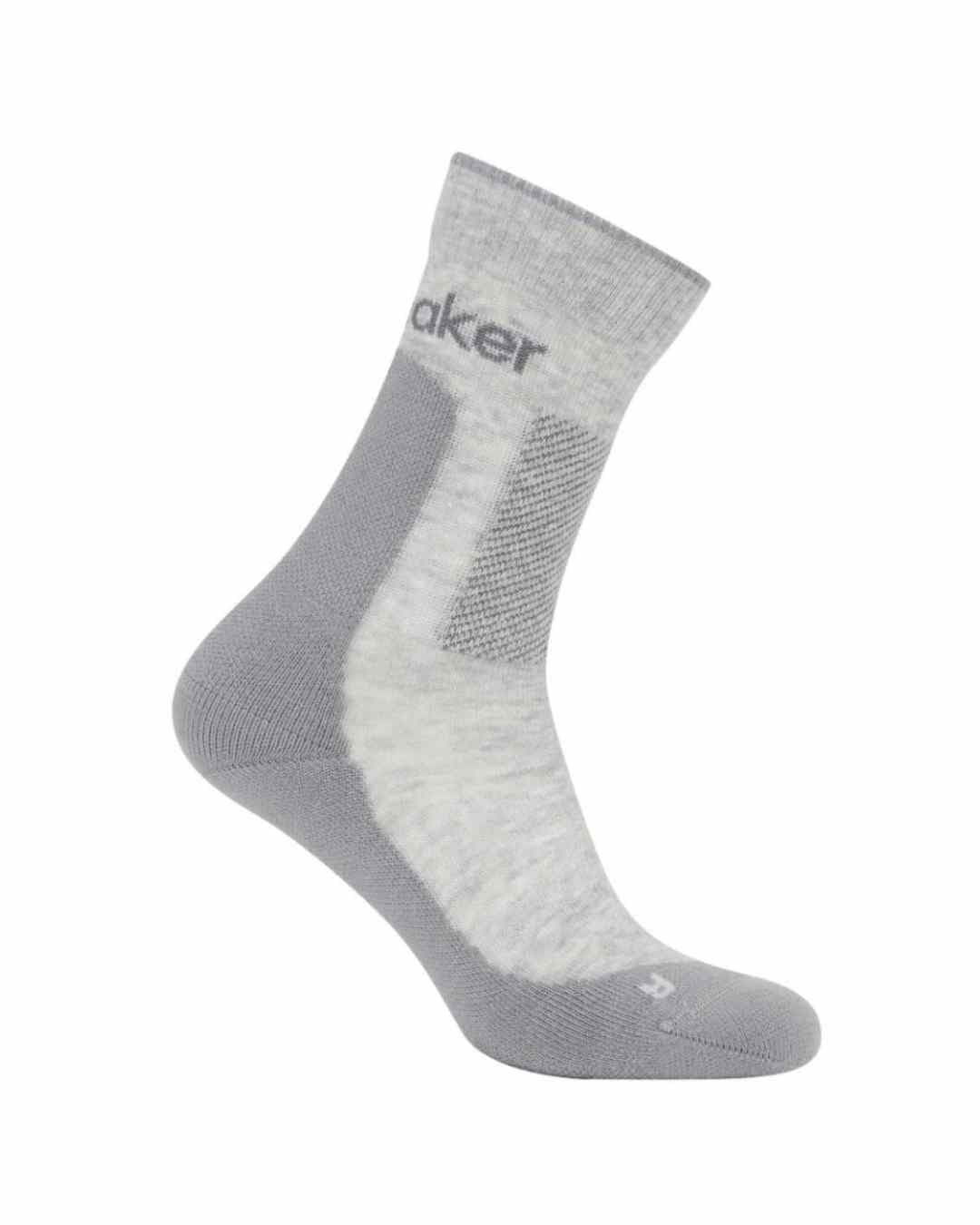
| Hike+ Medium Crew | Icebreaker | 65 % merino, 33 % nylon, 2 % elastane. Medium cushioning, anatomical fit, crew | Hiking and mountain boots at a lower price | 329 kr |
| Nansen Wool Sock | Devold | 80 % Norwegian wool, 18 % polyamide, 2 % elastane. Thick, densely knitted, ribbed shaft | Cold days, winter boots, the cabin | 299 kr |
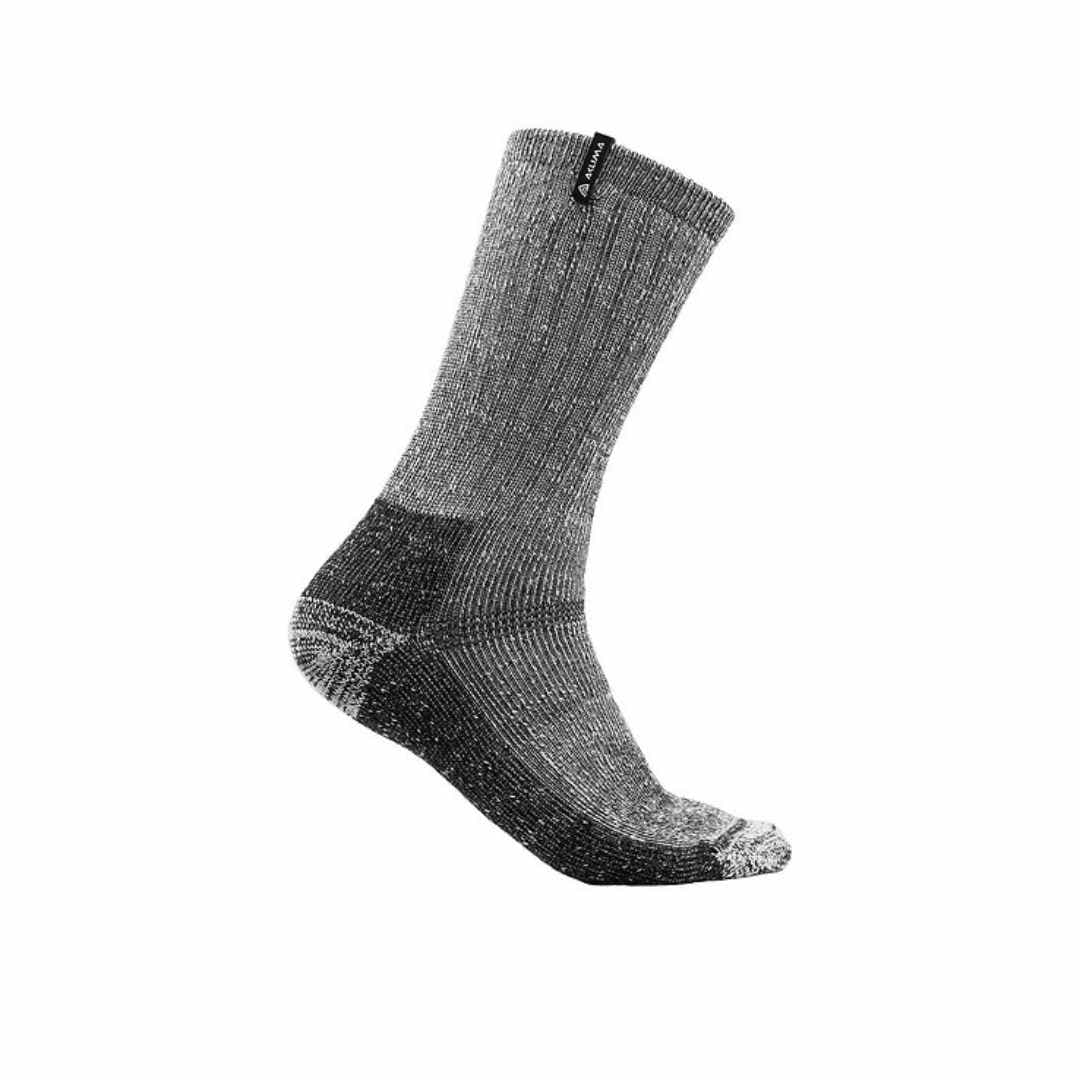
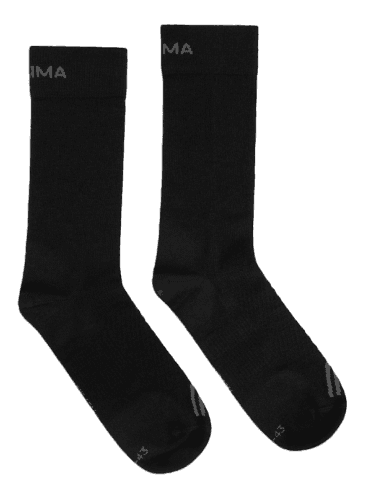
| Hotwool Socks | Aclima | 70 % merino. Thick, loops on the inside, few seams over the toes | Winter and cold feet | 320 kr |
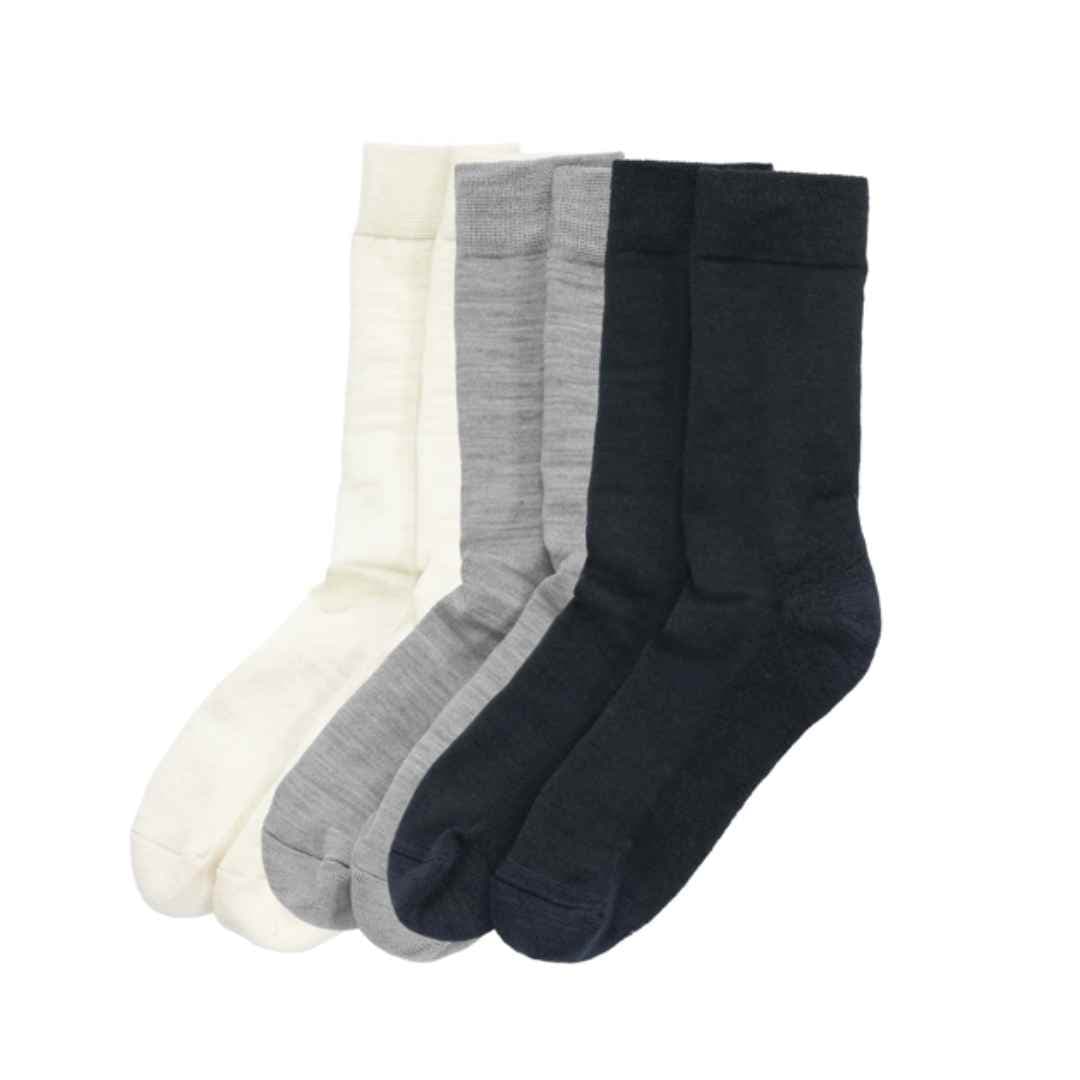
| Daily Merino Medium Sock 3pk | Devold | 52 % merino, 25 % acrylic, 21 % polyamide, 2 % elastane. Terry sole, reinforced toe and heel | Everyday, work and short hikes — three pairs in the pack | 329 kr (3 pairs) |
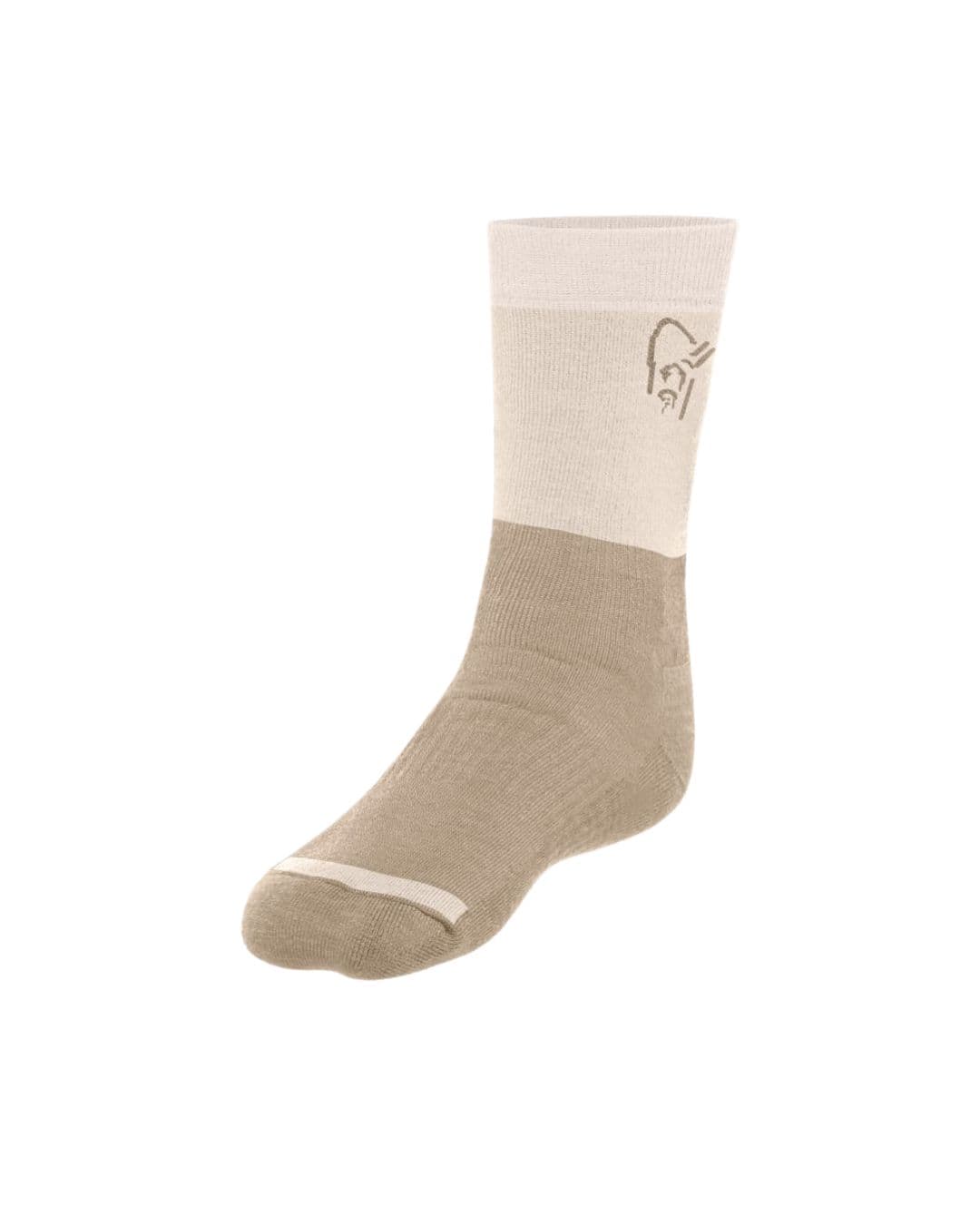
Two worth mentioning: Norrøna trollveggen heavy merinoUll Socks (429 kr, 55% merino, made for mountain boots) and Aclima Liner Socks V2 (170 kr, 68% merino) — a thin liner sock that can be worn alone in mild weather or under a thicker sock when it is cold.
You will find the full range under sokker dame, sokker herre and sokker junior.
What is the Darn Tough guarantee?
Darn Tough knits their socks in Vermont in the USA and offers what they call an unconditional lifetime guarantee: if you wear a hole in the socks through normal use, the manufacturer will replace them. According to Darn Tough, no receipt is required, but the socks must be sent in, and the guarantee does not cover socks that have been altered (dyed or cut) or sold as seconds.
If you have bought Darn Tough socks that have worn out, you can hand them in at our shops at Jekta or Veita in Tromsø. We handle the guarantee with the supplier, so you do not need to send anything to the USA yourself. If you live elsewhere in the country, you can post the socks to us — get in touch first and we will explain how.
Are they worth 500 kr? Our view: for those who walk a lot, yes. The knit is denser than on most other socks, they sit snugly around the foot without slipping, and the durability is why many customers come back for pair number two and three, says Karsten in the shop. If you go hiking four times a year, an Icebreaker Hike+ or Devold Nansen does the same job for 300 kr.
Our tips for northern Norwegian conditions
- Autumn hike in mountain boots: medium thickness with cushioning (Hiker Boot or Hike+ Medium). Keep a dry pair in your rucksack — wet bogs are the rule, not the exception.
- Winter, low activity: thick sock (Hunting Heavyweight, Hotwool or Nansen) in a boot with room to spare. Optionally a liner sock on the inside, so you can change it if you get sweaty.
- Skiing and ski touring: thin to lightweight, tall sock. Ski boots are narrow, and a thick sock will give you cold toes.
- Work in safety shoes: medium thickness with cushioning. The three-pack from Devold will last a working week.
- Rubber boots: tall and thick. Rubber does not breathe, so the wool must absorb the moisture.
How to make your socks last
Turn the socks inside out before washing, use a wool programme and wool detergent, and skip the fabric softener. Dry flat or hanging, not in a tumble dryer unless the care label says it is fine. Keep your toenails trimmed — that is the most common cause of holes at the toe. More about washing and storage in the guide to wool care.