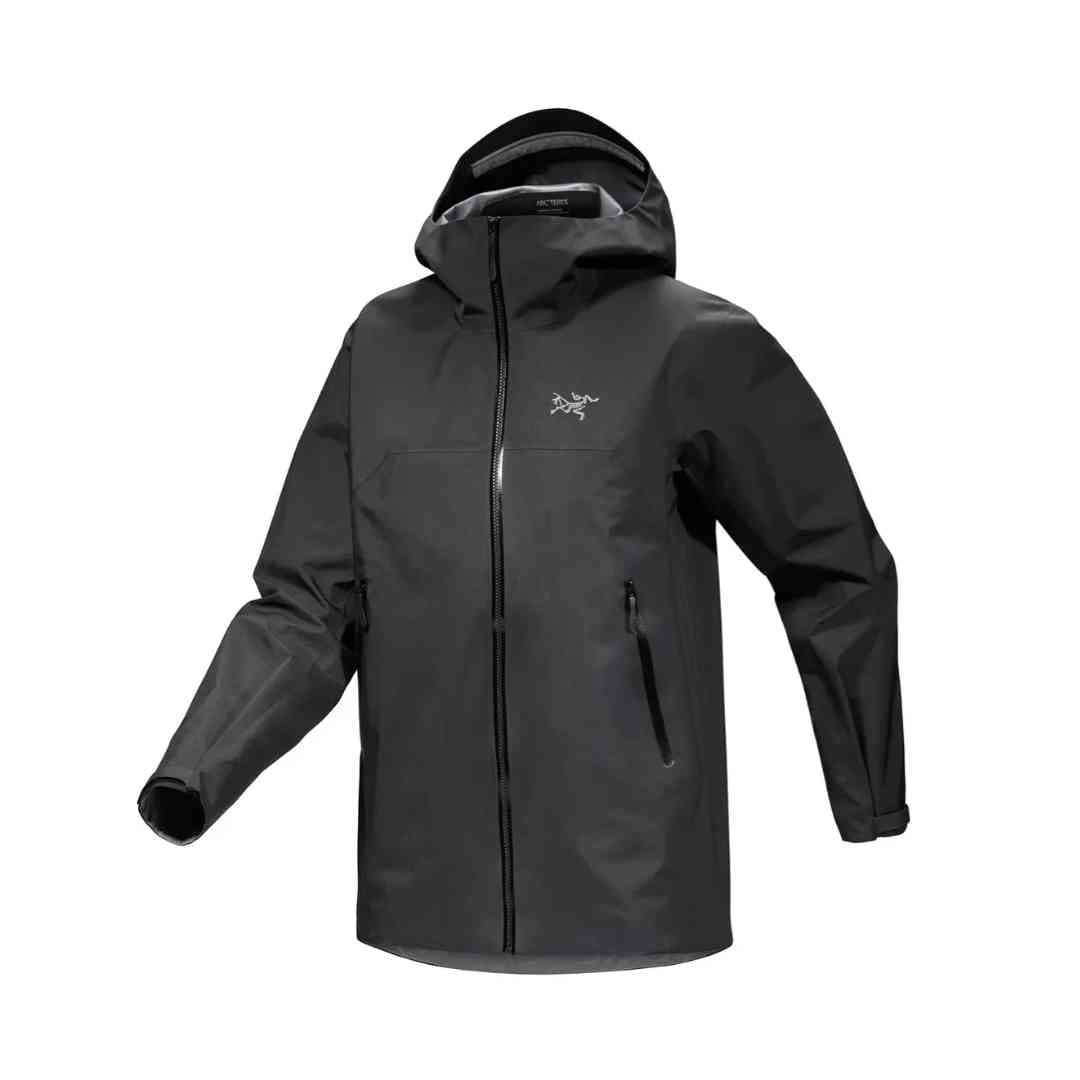
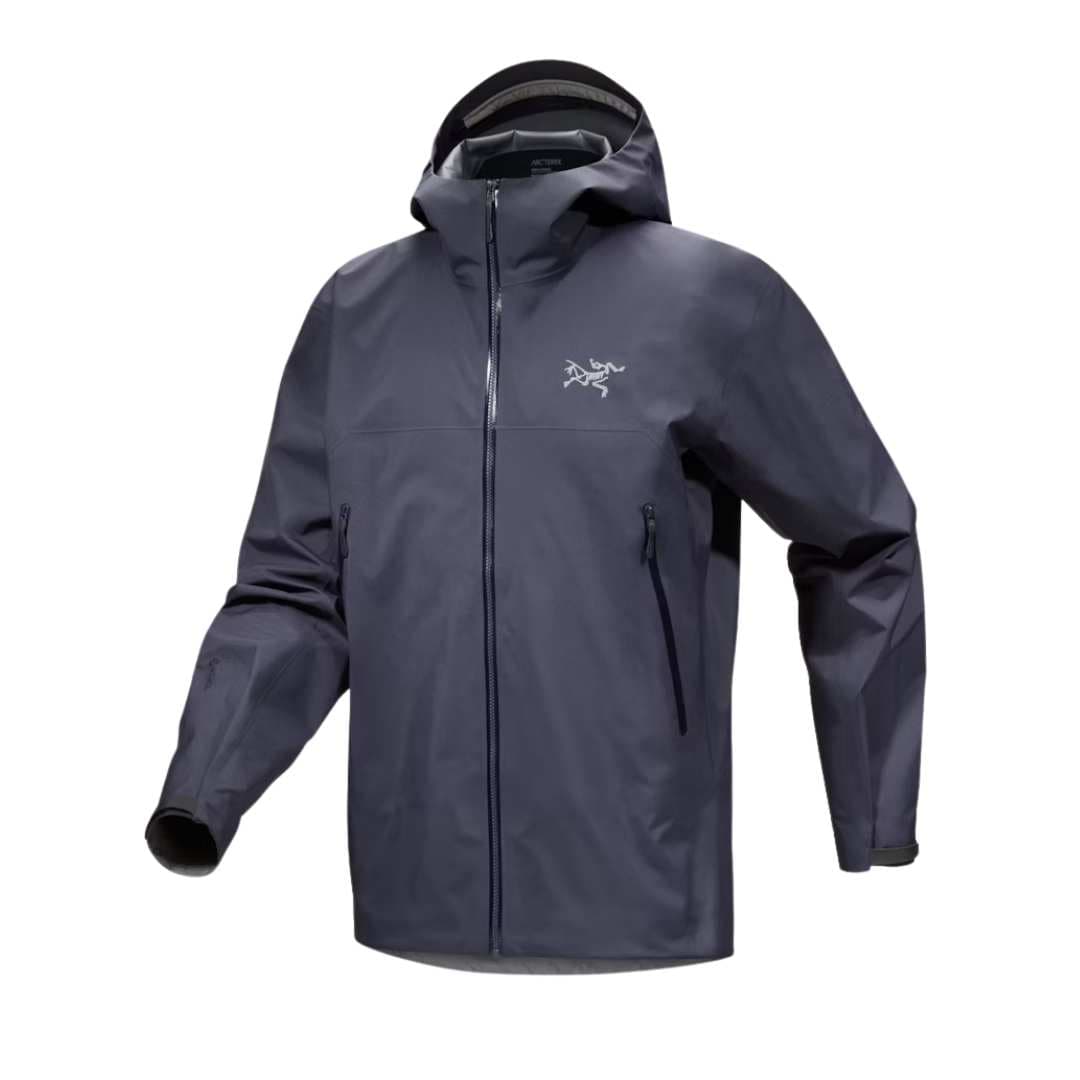
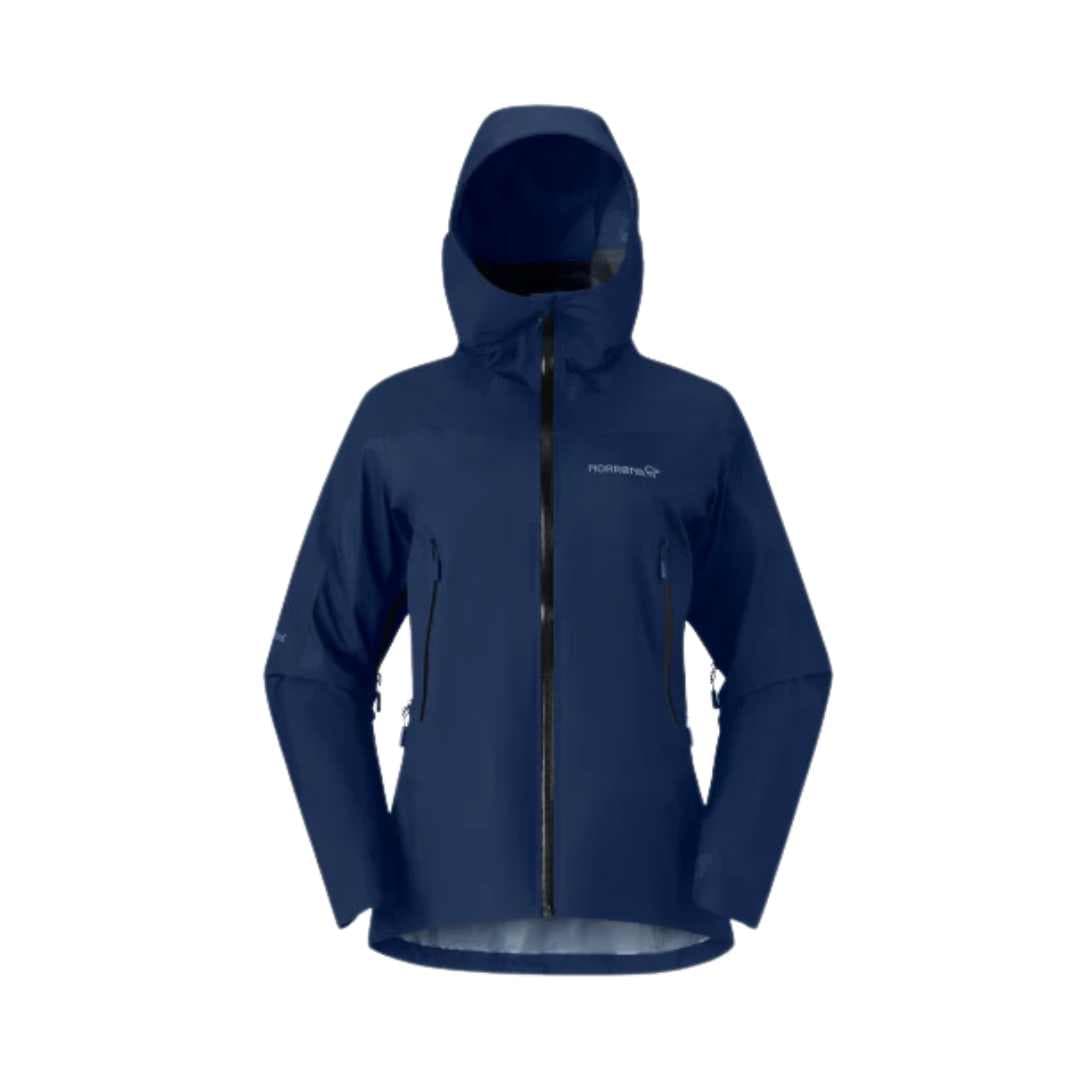
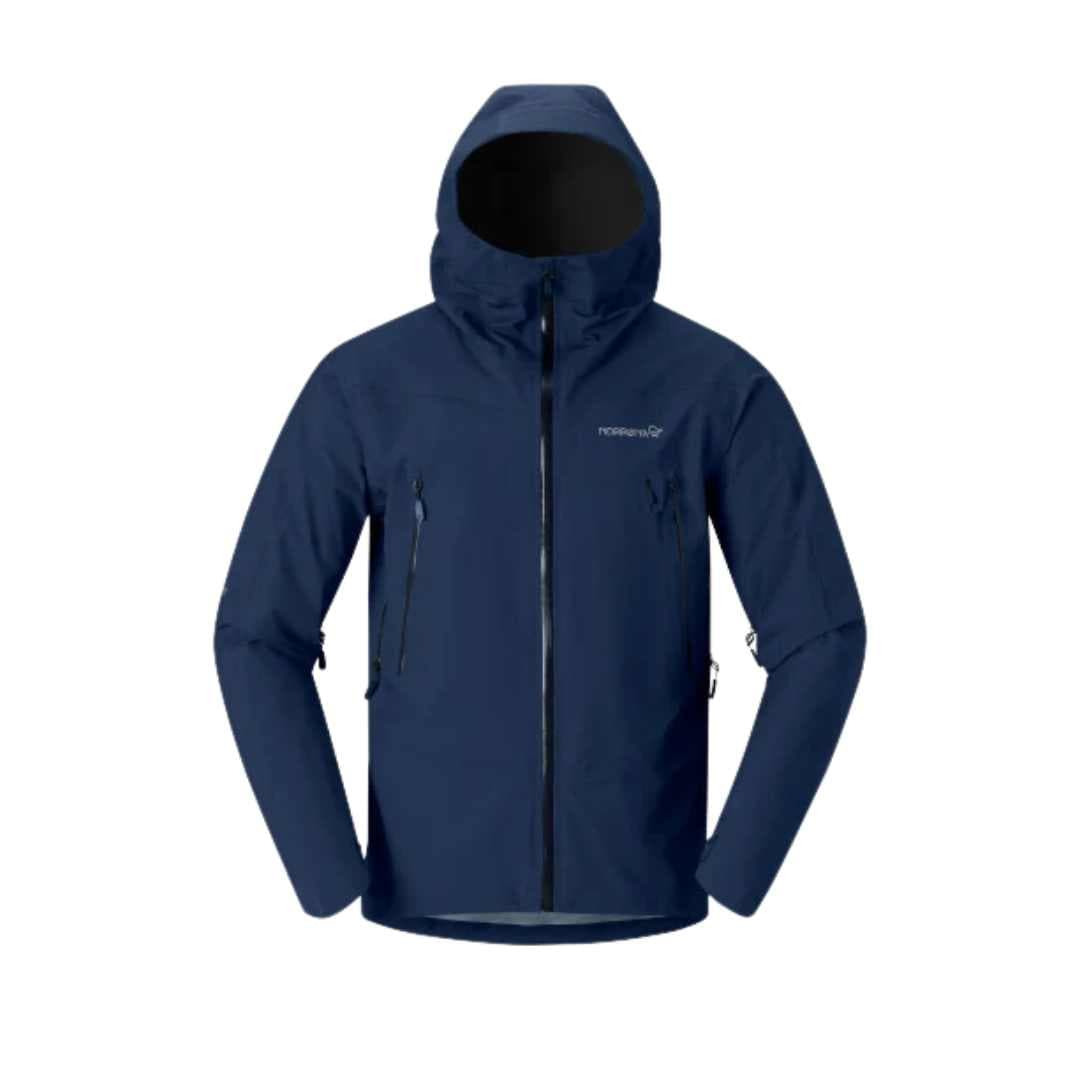
Norrøna, Arc'teryx and Patagonia make some of the most sought-after shell jackets we sell. But what actually separates a jacket at 3,299 kroner from one at 7,999? Here we have compared eight model ranges — all available in both women's and men's versions — on membrane, construction, intended use and price, and looked at them in the context of the weather we actually get in Northern Norway.
In brief
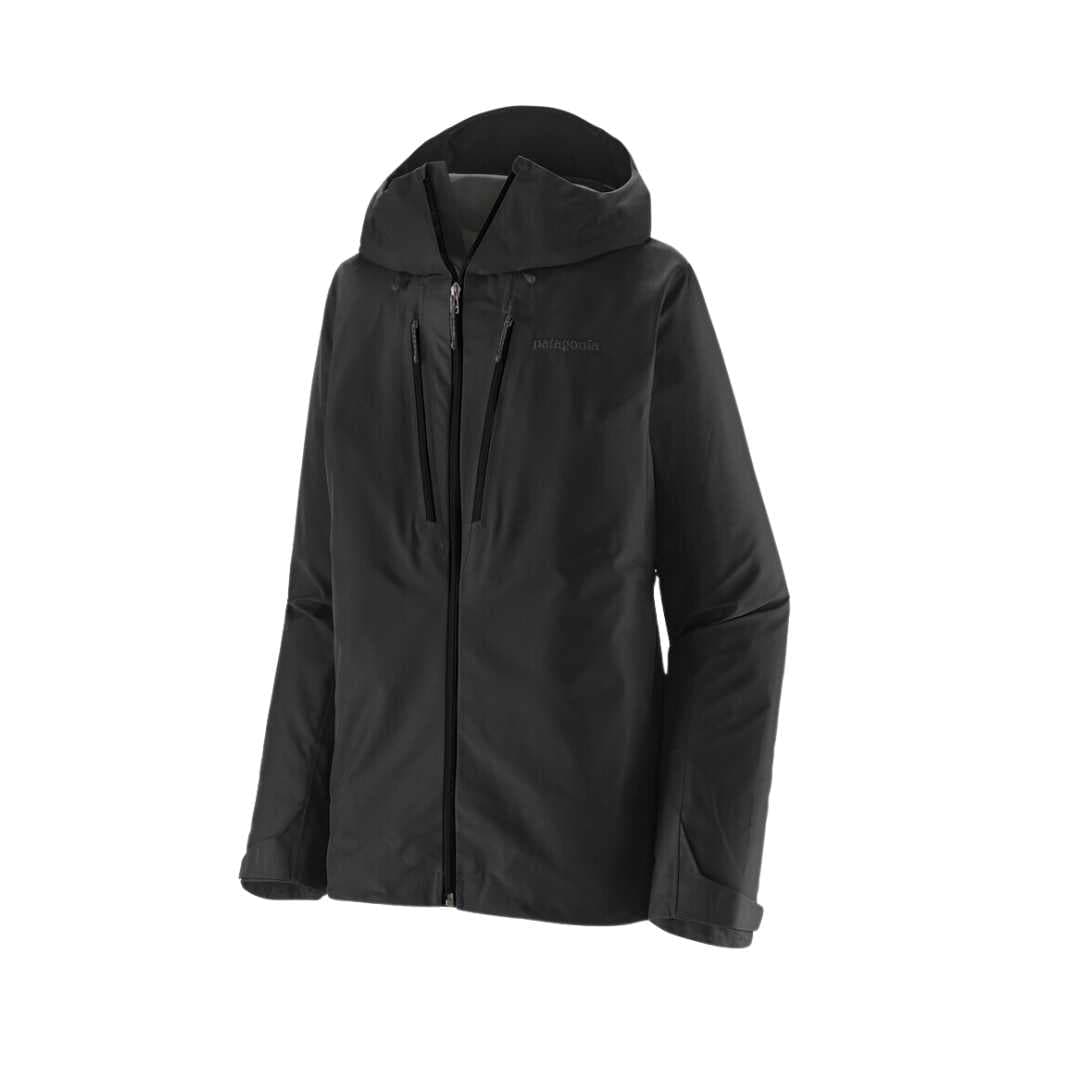
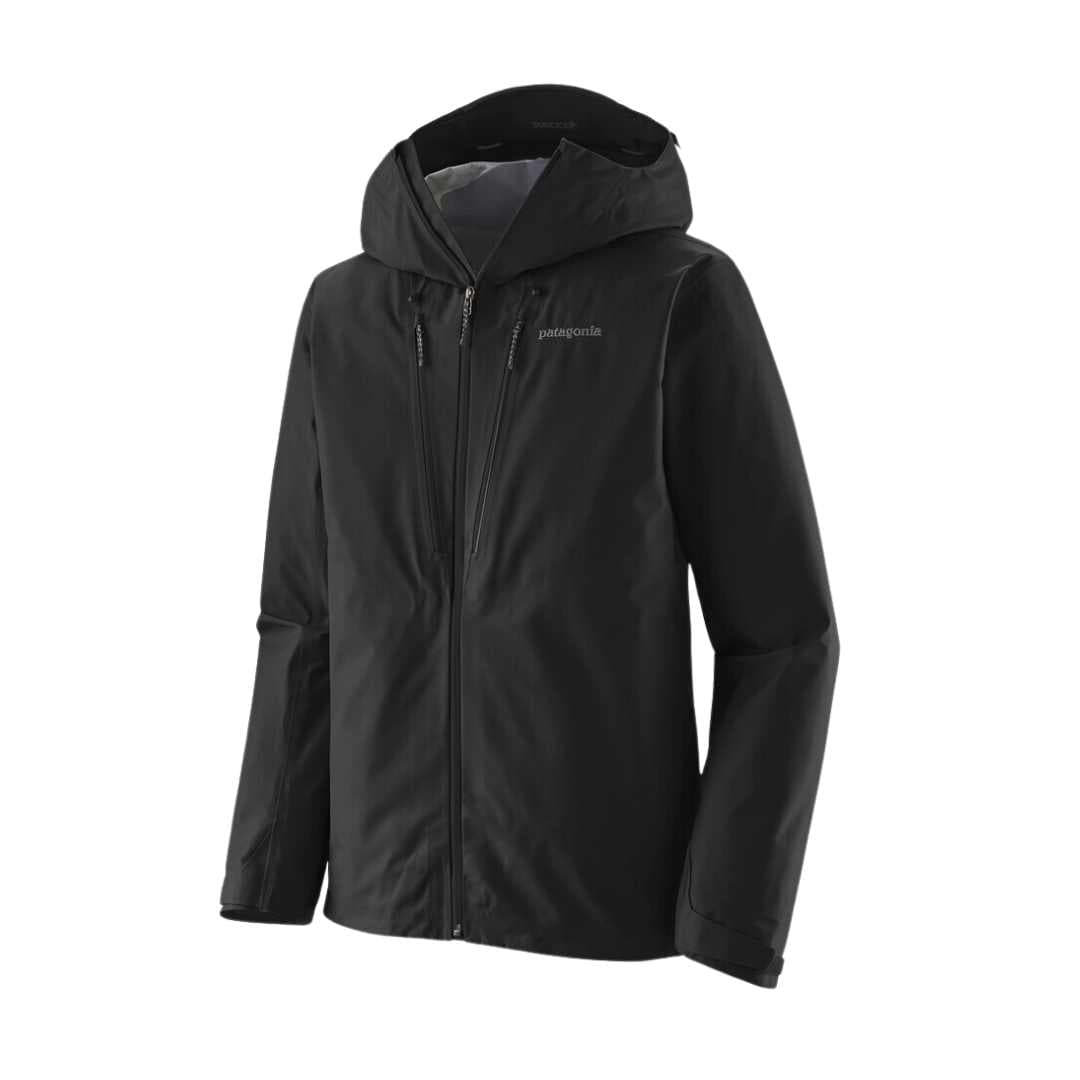
- Best value for money: Patagonia Torrentshell 3L (3,299 kr) is a genuine three-layer jacket with Patagonia's own H2No membrane. It covers city use, hiking and most everyday situations, but is not designed for climbing and long days with a heavy pack in severe weather.
- The versatile mountain jacket: Norrøna falketind Gore-Tex (5,999 kr) and Arc'teryx Beta SL (5,999 kr) cost the same. Falketind is the more technical of the two (helmet-compatible hood, pockets above the harness, long vents); Beta SL is the lightest and most packable.
- For harsh weather and heavy use: Arc'teryx Beta AR (7,599 kr) and Norrøna trollveggen Gore-Tex Pro light (7,999 kr) both use Gore-Tex Pro — the most durable Gore-Tex variant — and are the jackets for those who go out whatever the forecast.
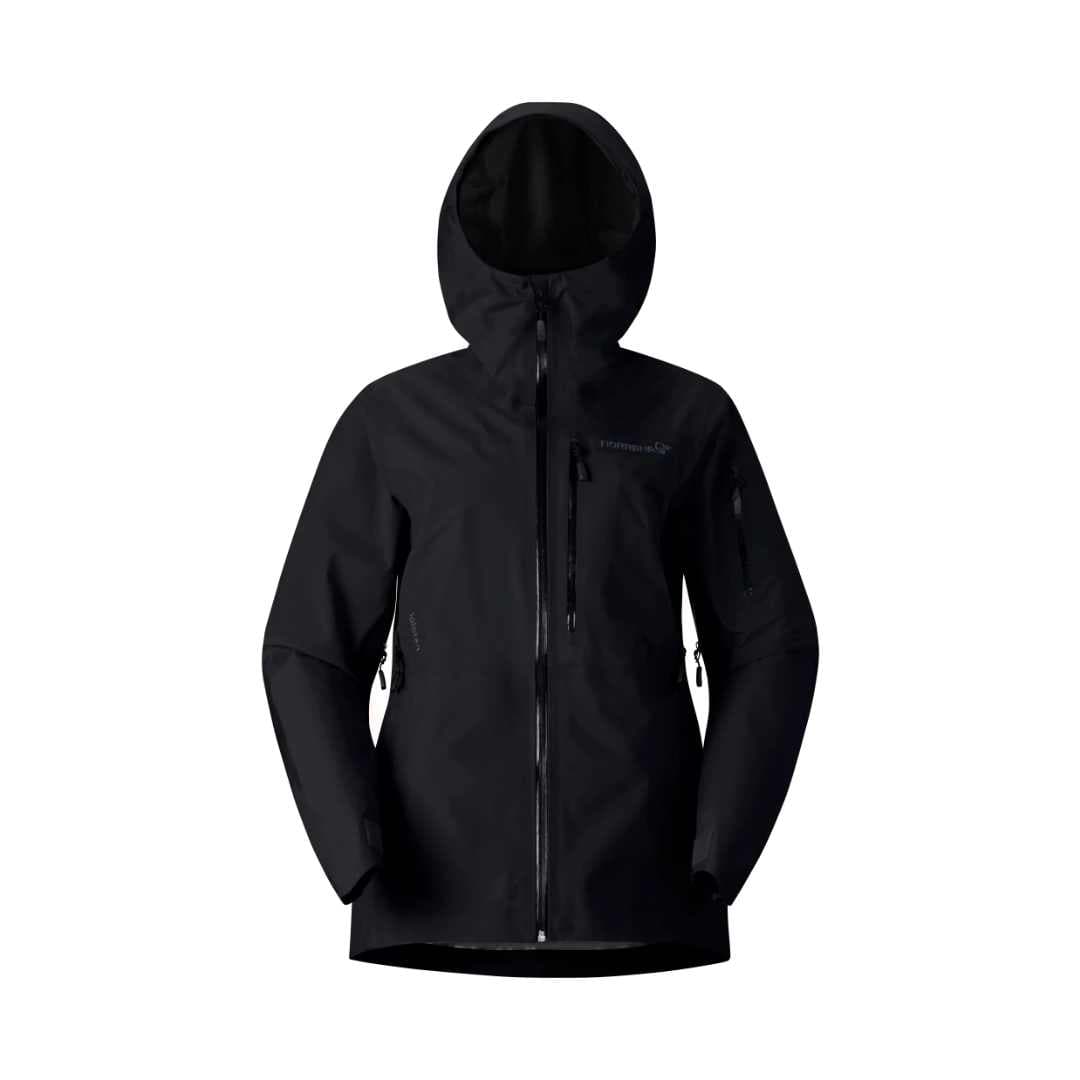
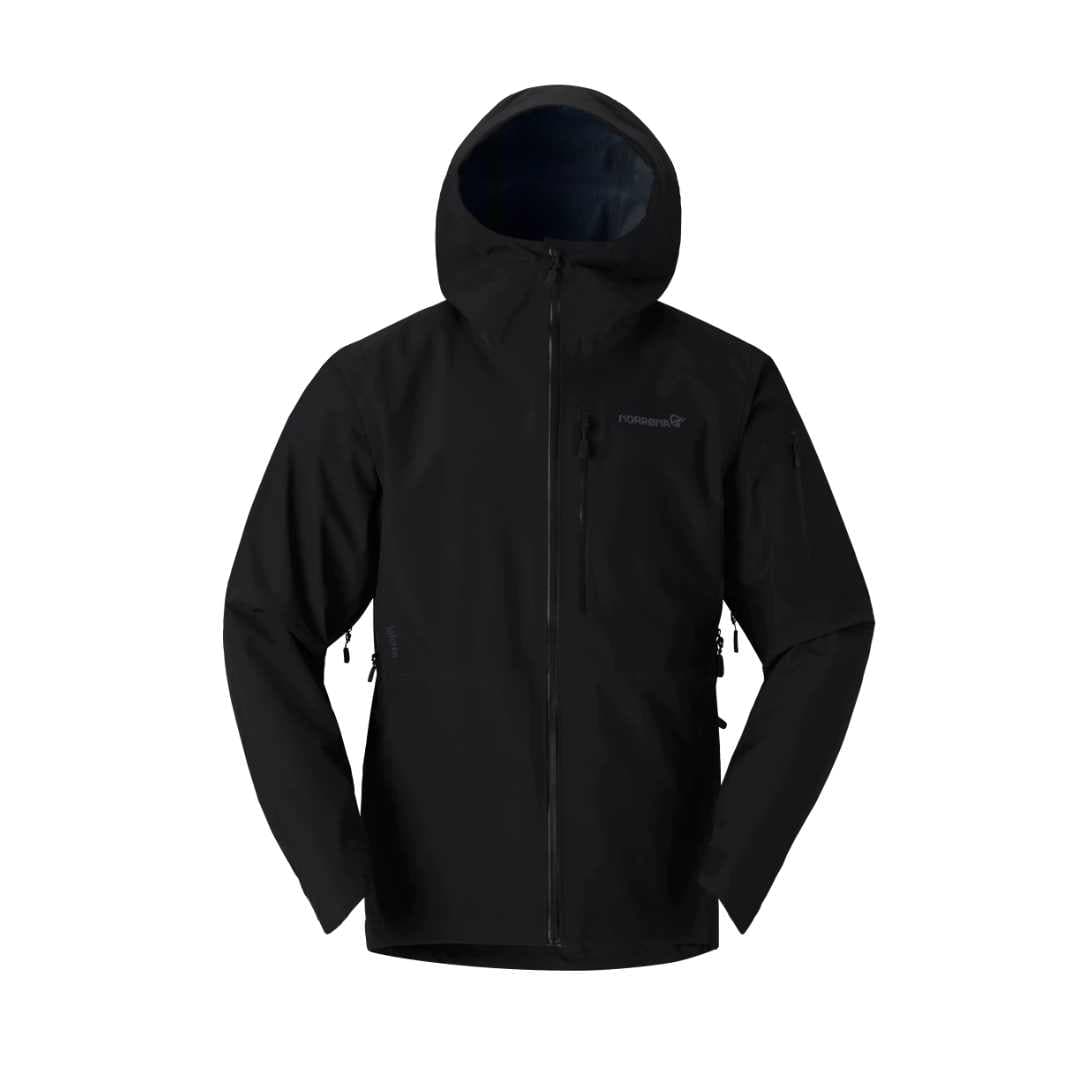
- For skiing and ski touring: Norrøna lofoten Gore-Tex (6,999 kr) has a snow skirt and a soft brushed flannel backing on the inside, and is the only one in the selection built specifically for skiing.
- This is a comparison of membrane, construction, intended use and price — not a laboratory test. We do not name an overall winner, but explain who each jacket suits.
How we have compared
We have not measured hydrostatic head or breathability ourselves, and we do not assign ratings. All technical information in this guide is taken from the manufacturers' own product data as it appears in our online shop. Where information is not available in the product data, we have left it out rather than guess. Weight and hydrostatic head are not stated for all models and are therefore not included in the table. Norrøna states a hydrostatic head of 28,000 mm for falketind Gore-Tex — the other manufacturers do not state a figure in their product data, and this does not mean their jackets are less waterproof.
What we can contribute is the selection and the perspective: we are a specialist shop in Tromsø that has sold outdoor clothing since 1988, and all eight models in the table are in stock with us. The advice below follows from what the jackets are designed for — considered against wind, wet snow and rapid weather changes along the northern coast.
If you first need an explanation of membranes, hydrostatic head and the difference between 2-, 2.5- and 3-layer construction, you will find it in the guide Slik velger du riktig skalljakke. We do not repeat it here.
Which shell jackets have we compared?
The table is sorted by price. All models are three-layer jackets, and all are available in both women's and men's versions. Where a jacket comes in several colours, we link to the colour we have most of in stock — the other colours can be found on the product page.
| Model | Brand | Membrane and construction | Suits | Price |
|---|---|---|---|---|
| Torrentshell 3L Rain Jacket | Patagonia | H2No Performance Standard, 3-layer, 100% recycled outer fabric, without intentionally added PFAS | Everyday use, hiking, travel — packs into its own pocket | 3,299 kr |
| Beta Jacket | Arc'teryx | 3-layer Gore-Tex ePE with C-Knit backer, 80D recycled nylon | All-round hiking and everyday use — soft and quiet | 4,799 kr |
| falketind Gore-Tex Jacket | Norrøna | 3-layer ePE Gore-Tex, recycled nylon | Year-round mountain hiking, ski touring and climbing | 5,999 kr |
| Beta SL Jacket | Arc'teryx | Gore-Tex with ePE membrane, lightweight and packable construction | Hiking and travel where low weight matters | 5,999 kr |
| Triolet Jacket | Patagonia | Gore-Tex ePE Performance, 3-layer, recycled polyester | Alpine use, winter hiking, climbing | 6,999 kr |
| lofoten Gore-Tex Jacket | Norrøna | 3-layer 40D ePE Gore-Tex with brushed flannel backer (165 g/m²), snow skirt | Skiing, snowboarding and ski touring | 6,999 kr |
| Beta AR Jacket | Arc'teryx | 3-layer Gore-Tex Pro ePE, 80D with 100D reinforcements | Harsh weather, heavy use, year-round | 7,599 kr |
| trollveggen Gore-Tex Pro light Jacket | Norrøna | 3-layer Gore-Tex Pro ePE, 40D with 70Dx160D reinforcement on hood, shoulders and elbows | Alpine climbing, ski touring, long days out in bad weather | 7 999 kr |
You'll find the full range under shell jackets for women and shell jackets for men, or on the brand pages for Norrøna, Arc'teryx and Patagonia. Shell jackets from Klättermusen, Montane, Rab and Helly Hansen are listed under Other options.
What separates the price ranges?
All eight jackets will keep you dry. What you pay more for is essentially three things: how durable the fabric is, how much technical functionality is built in, and how long the jacket holds up under hard use.
Around 3 000–5 000 kr. The Patagonia Torrentshell 3L uses Patagonia's own H2No membrane rather than Gore-Tex. The construction is three-layer, the jacket has underarm venting and can be packed into its own pocket. The hood is a standard, adjustable hood — not helmet-compatible. The Arc'teryx Beta Jacket is Arc'teryx's entry point into Gore-Tex: the C-Knit backer makes the fabric softer and less rustly than classic shell jackets, and the hood is intentionally simple. Neither of these two is designed with a climbing harness or helmet in mind.
Around 6 000–7 000 kr. This is where the technical details come in: a helmet-compatible hood that adjusts with one hand, pockets positioned to be accessible with a hip belt or harness, long two-way vents. The Norrøna falketind and Patagonia Triolet are mountain jackets in the truest sense. The Arc'teryx Beta SL takes a different approach, putting the money into low weight and a small packed size. The Norrøna lofoten is the ski jacket in the range, with a snow skirt, ski pass pocket and fleece lining that makes it a little warmer than a pure shell.
Around 7 500–8 000 kr. The Arc'teryx Beta AR and Norrøna trollveggen Pro light use Gore-Tex Pro. This is the Gore-Tex variant developed for maximum durability, and both jackets combine two fabric weights: the trollveggen is reinforced on the hood, shoulders and elbows, while the Beta AR uses 80D and 100D fabric. If you wear your jacket 100 days a year — with a pack, skis on your shoulder or a rope — this is where you get your money's worth. If you wear it to and from work and on Sunday walks, you'll get more value by putting the difference into a good mid-layer.
If you want to go a step further, we also stock the Arc'teryx Alpha SV (10 499 kr) — Arc'teryx's most hardwearing shell jacket, made for extreme high-mountain conditions. For most people, it is more jacket than they need.
Other options
This guide focuses on the three brands most people ask about, but we stock good shell jackets from several others. These are also in stock, for both women and men unless stated otherwise:
- Klättermusen: The Allgrön 2.0 Jacket (6 000 kr, women · men) is a three-layer jacket in Klättermusen's own Cutan material — with stretch, fluorocarbon-free and with underarm venting. The Asynja Jacket (4 200 kr, women · men) is the lightweight, packable option in recycled polyamide.
- Montane: The Phase Jacket (5 799 kr, women · men) uses 3-layer Gore-Tex ePE with a stated hydrostatic head of 28 000 mm and has pack-friendly pockets. The Cetus Jacket (3 800 kr, women · men) has Montane's own PFAS-free three-layer membrane with a stated hydrostatic head of 20 000 mm.
- Rab: The Firewall Mountain Jacket (3 999 kr, women · men) is a three-layer Pertex Shield jacket with underarm venting and pockets accessible with a pack or harness. The Latok Mountain GTX Jacket (6 499 kr, women · men) is Rab's Gore-Tex Pro jacket for alpine use, with 80D fabric on the shoulders and sleeves and a stated hydrostatic head of 28 000 mm.
- Helly Hansen: The Verglas Infinity Shell Jacket 2.0 (4 499 kr, women · men) is a three-layer jacket in Helly Tech Professional with a helmet-compatible hood and underarm venting.
Norrøna, Arc'teryx or Patagonia — what defines each brand?
Norrøna builds its jackets around specific activities: falketind is all-round mountain, lofoten is ski, trollveggen is climbing and the harshest conditions. The fit is technical with a longer back, and the details — one-hand hood adjustment, asymmetric cuffs, long vents — are designed for use with gloves. All three ranges here use Gore-Tex with the new ePE membrane, and the trollveggen Pro light is stated to be fully PFAS-free.
Arc'teryx organises its range by letter: Beta is the all-round series, Alpha is for climbing. SL stands for super-light, AR for all-round, SV for severe weather. The hallmarks are clean design, minimal seams and a fit that many find exceptionally well thought through. The Beta AR has been one of our best-selling shell jackets, says Ingrid in the shop, and it is the model we carry by far the most of in stock.
Patagonia is the brand for those who place weight on environmental credentials. The Torrentshell has 100% recycled face fabric, is produced without intentionally added PFAS and is sewn in a Fair Trade certified factory. The Triolet is Patagonia's Gore-Tex jacket for alpine use.
Which shell jacket handles northern Norwegian weather best?
Hydrostatic head is rarely the issue. Every jacket in the table is waterproof enough for anything you'll encounter between Lofoten and Nordkapp. What separates a good shell jacket from a mediocre one up here is other things:
- The hood. In sidewinds with wet snow, the hood is what determines whether you stay dry around your neck. A hood that follows your head when you turn and can be tightened with gloves on is worth a great deal. The falketind, trollveggen, Triolet, Beta AR and Beta SL all have helmet-compatible hoods with good adjustment. The Torrentshell and Beta Jacket have simpler hoods that are fine for everyday use and trips in moderate wind.
- Length and cuffs. A longer back hem and cuffs that can be tightened over or under your glove keep spindrift out. The Norrøna models and the Beta AR are cut longer at the back.
- Ventilation. Wet snow around zero degrees is the worst conditions for a shell jacket: you heat up on the climbs, and the moisture needs to escape. All models except the Beta Jacket have underarm zip vents according to the product data.
- Durability. If you carry skis on your shoulder or regularly go out with a heavy pack, the shoulders wear first. That is what Gore-Tex Pro and the reinforcement panels on the trollveggen and Beta AR are there for.
- Visibility. During the dark season, a strong colour is a safety choice, not just a matter of taste. Most models are available in both subdued and bold colours — check the colour options on the product page.
Remember that a shell jacket is only the outer layer. What you wear underneath matters just as much for warmth. Read more in Down jacket or synthetic jacket?.
Our recommendation for …
- … everyday use, dog walks and weekend trips: Patagonia Torrentshell 3L. Three layers at the price of many 2.5-layer jackets, and easy to pack away in a rucksack.
- … one jacket for everything, all year round: Norrøna falketind Gore-Tex. A stated water column of 28,000 mm, helmet-compatible hood, long vents and pockets that work with a pack — without the price tag of the Pro jackets.
- … hiking and travel where weight matters: Arc'teryx Beta SL.
- … skiing and ski touring: Norrøna lofoten Gore-Tex if you mostly use the lifts and do freeride; falketind or trollveggen Pro light if you mainly skin uphill and want lower weight and better ventilation.
- … those who are out in all weathers, frequently: Arc'teryx Beta AR or Norrøna trollveggen Gore-Tex Pro light. Choose based on fit — try both.
- … a comfortable jacket that doesn't rustle: Arc'teryx Beta Jacket with C-Knit.
Fit is personal, and the three brands cut their jackets differently. We recommend trying the jackets with your mid layer underneath in our stores at Jekta or Veita in Tromsø. If you shop online, you have 30 days' open purchase and free delivery on orders over 899 kr.