Tromsø's winter is milder than most visitors expect, but wind, damp sea air and hours of standing still under the northern lights make it feel much colder. Here is what to wear, what to buy, what to rent — and where to find it in town.
In short
- Tromsø's winter is milder than most visitors expect — the average is around −4 °C — but wind, damp sea air and hours of standing still under the northern lights make it feel much colder.
- Dress in three layers with wool next to your skin. Cotton and jeans on their own are the most common mistakes.
- Bring mittens rather than thin gloves, and put ice grips on your shoes for the pavements.
- Tour operators usually lend you a thermal suit for the excursion itself, so spend your money on the layers you will wear all day, every day — and take home.
We are Jobb og Fritid, a Tromsø shop that has dressed locals for outdoor work and mountain life since 1988. This is what we tell visitors who walk in asking what they actually need.
How cold is Tromsø, really?
| Tromsø | |
|---|---|
| Average winter temperature | About −4 °C |
| What to be prepared for on excursions | Anything from +5 °C down to −25 °C |
| Polar night (sun stays below the horizon) | Approx. 27 November – 15 January |
| Northern lights season | Late August – early April |
Source: Visit Tromsø.
The coast keeps the city itself fairly mild. The cold you need to plan for comes from three things: wind on the waterfront and on boat trips, inland cold when northern lights tours drive towards the Finnish border to find clear skies (this is where −15 to −20 °C happens), and standing still — you cool down fast when you are watching the sky for two hours rather than walking.
The three-layer system for −5 to −20 °C
Layers trap air, and air is what keeps you warm. Layers also let you adjust: take one off in the café, put it back on at the bus stop.
| Layer | Job | What to choose | Avoid |
|---|---|---|---|
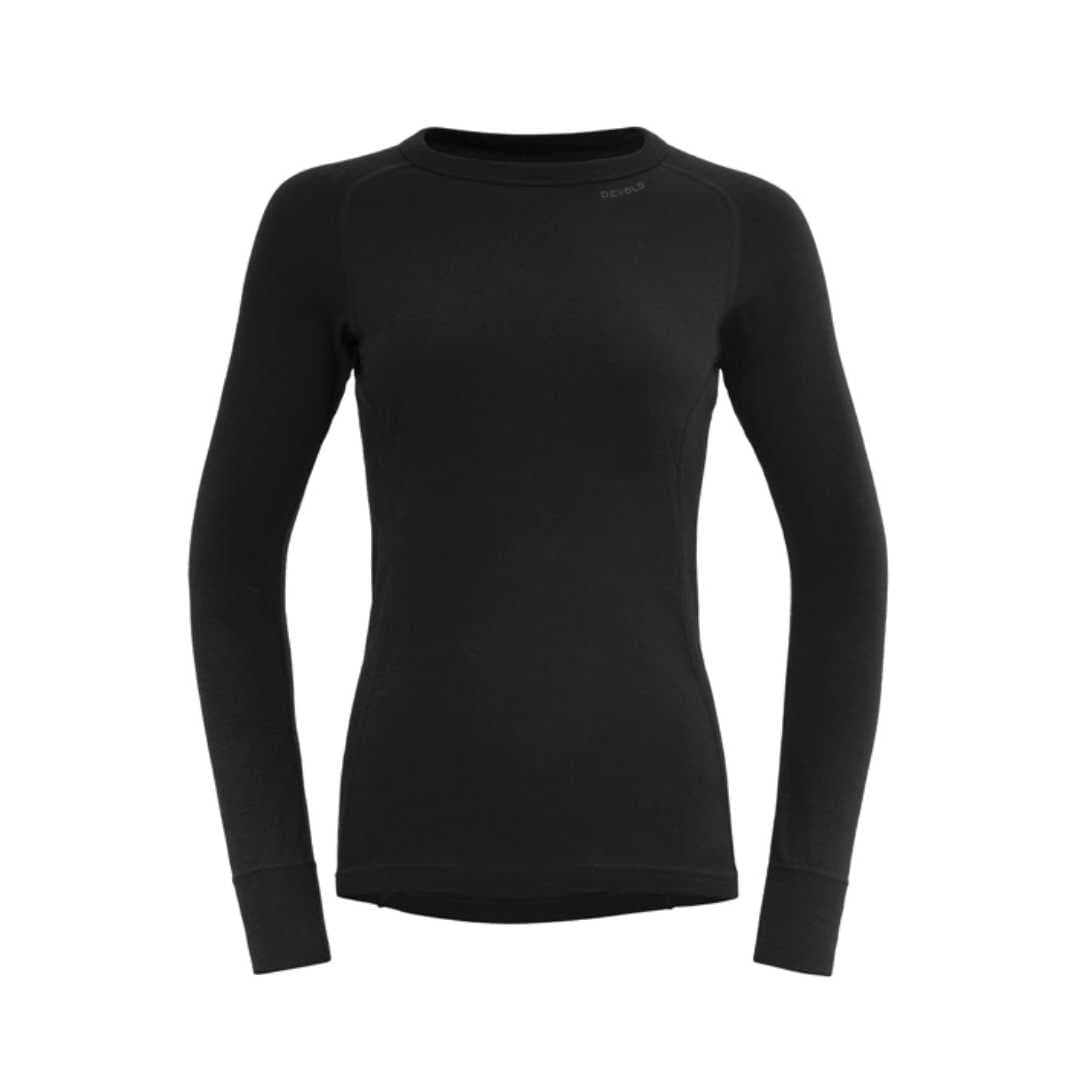
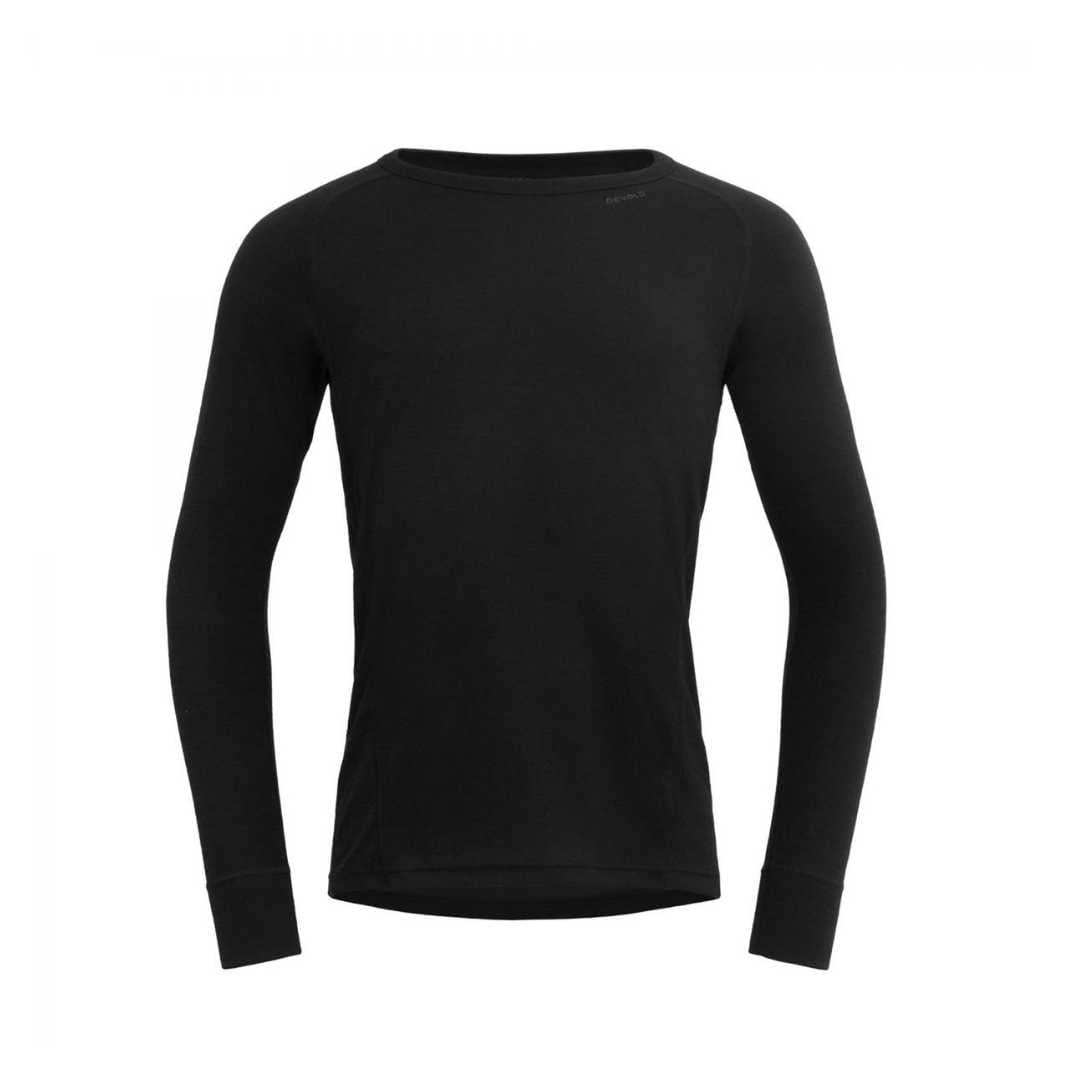
| Base layer (next to skin) | Stay dry and warm | Merino wool top and long johns, 200 g/m² or heavier | Cotton — it holds moisture and chills you |
| Mid layer | Insulate | Wool jumper or fleece; add a light down or synthetic jacket when it drops below −10 °C | A single very thick jumper — two thinner layers are warmer and more flexible |
| Outer layer | Stop wind and snow | Windproof, water-resistant shell or an insulated parka, long enough to cover your hips | Fashion wool coats — wind goes straight through |
Legs: wool long johns under windproof trousers is enough for the city. Jeans alone are the most common mistake we see.
At −5 °C in town: wool base layer, fleece or wool jumper, windproof jacket. At −15 to −20 °C, standing still: the same, plus a down or synthetic insulated jacket under or instead of the shell, a second pair of wool socks only if your boots have room for them, and mittens.
Browse: women's wool base layers · men's wool base layers · women's down jackets · men's down jackets · women's parkas · men's parkas
Why wool next to your skin
Norwegians wear wool from October to April for a reason: merino stays warm when it is damp, it does not smell after several days of wear (handy when you travel with hand luggage), and it regulates temperature when you go between a warm bus and a cold hillside. One good set of wool base layers will do more for your trip than an expensive jacket.
What a set costs in our shop (prices in NOK, September 2026):
- Devold Duo Active Merino 205 shirt, 899 kr: women's · men's
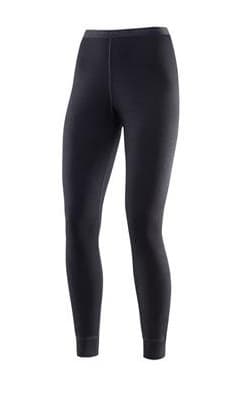
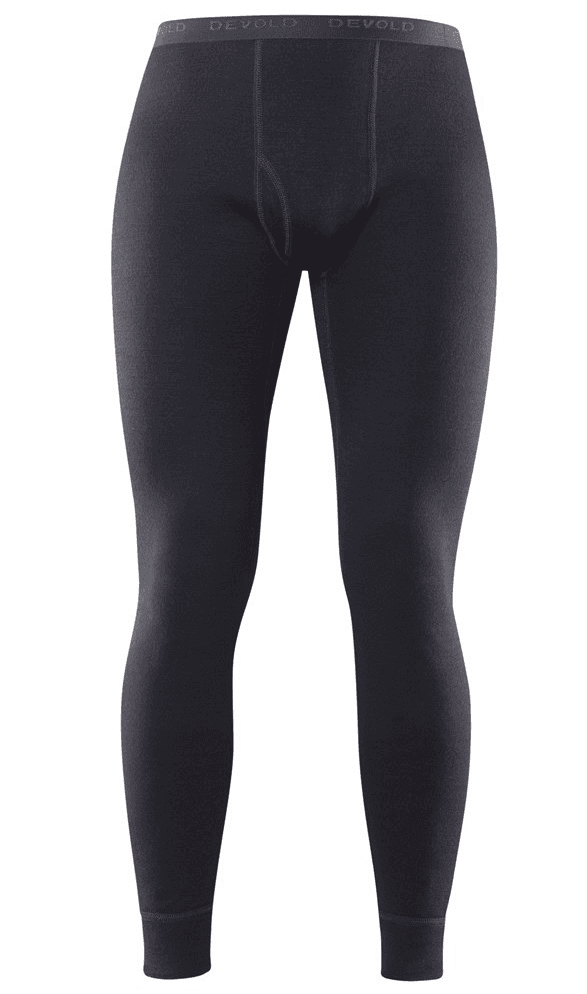
- Devold Duo Active long johns, 899 kr: women's · men's
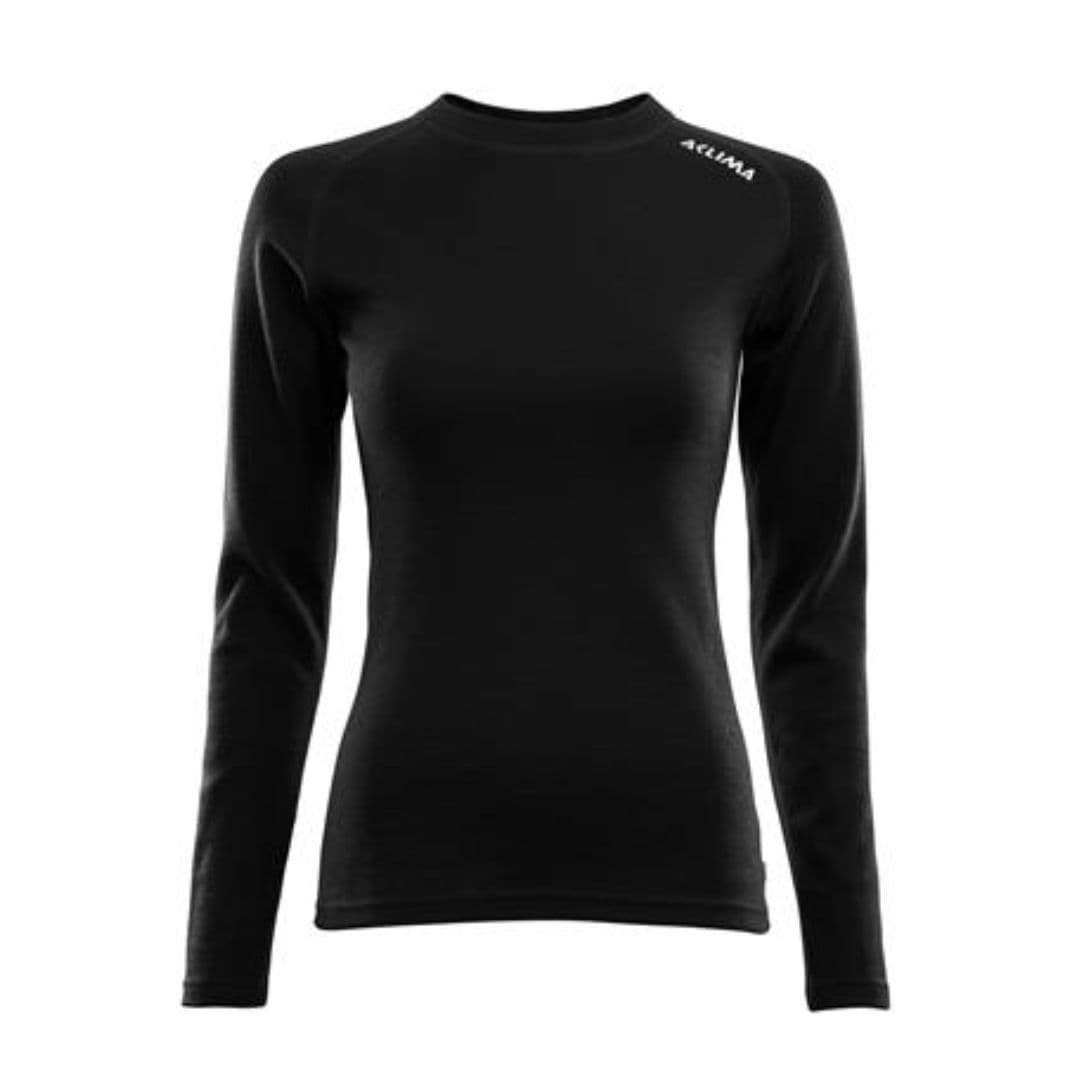
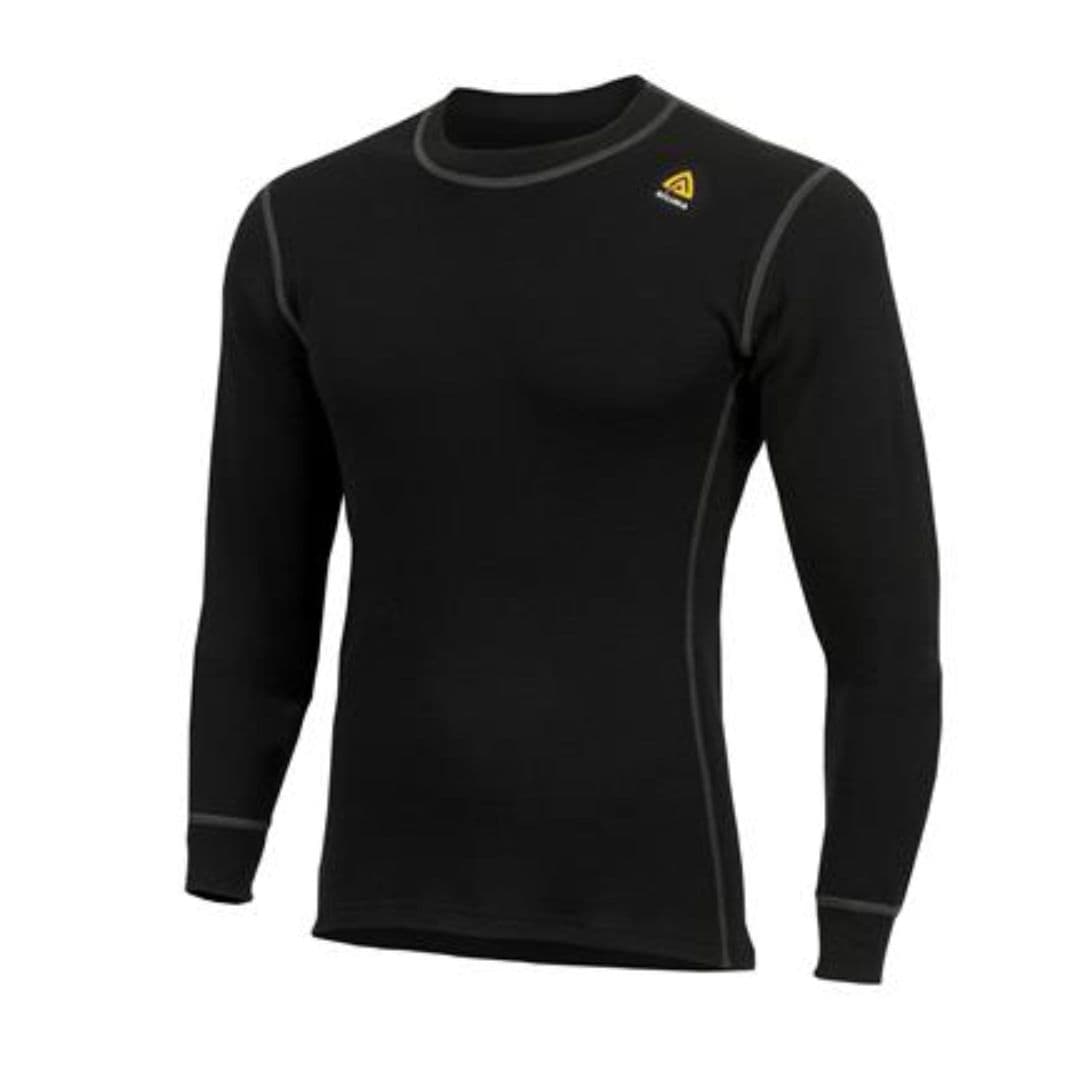
- Aclima WarmWool crew neck, a warmer option, 1,000 kr: women's · men's
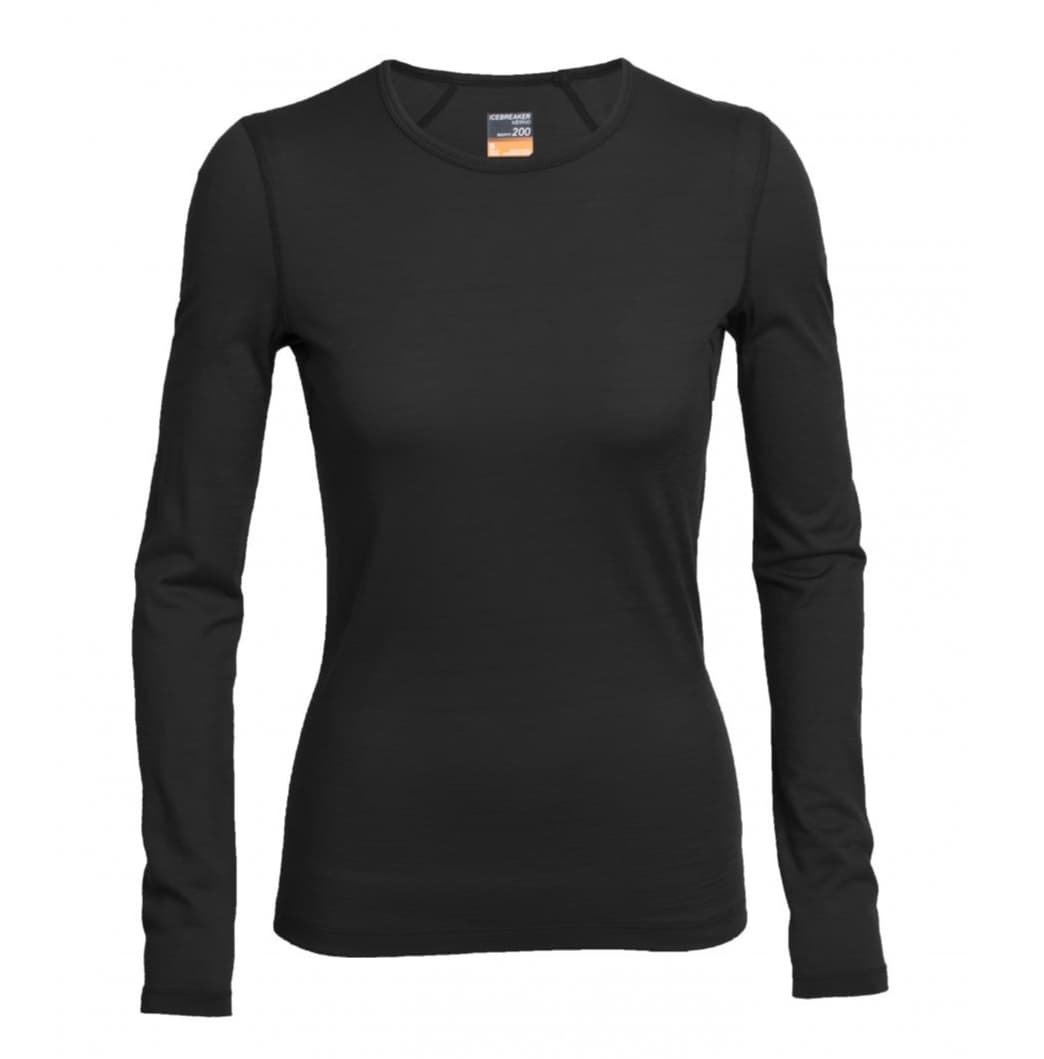
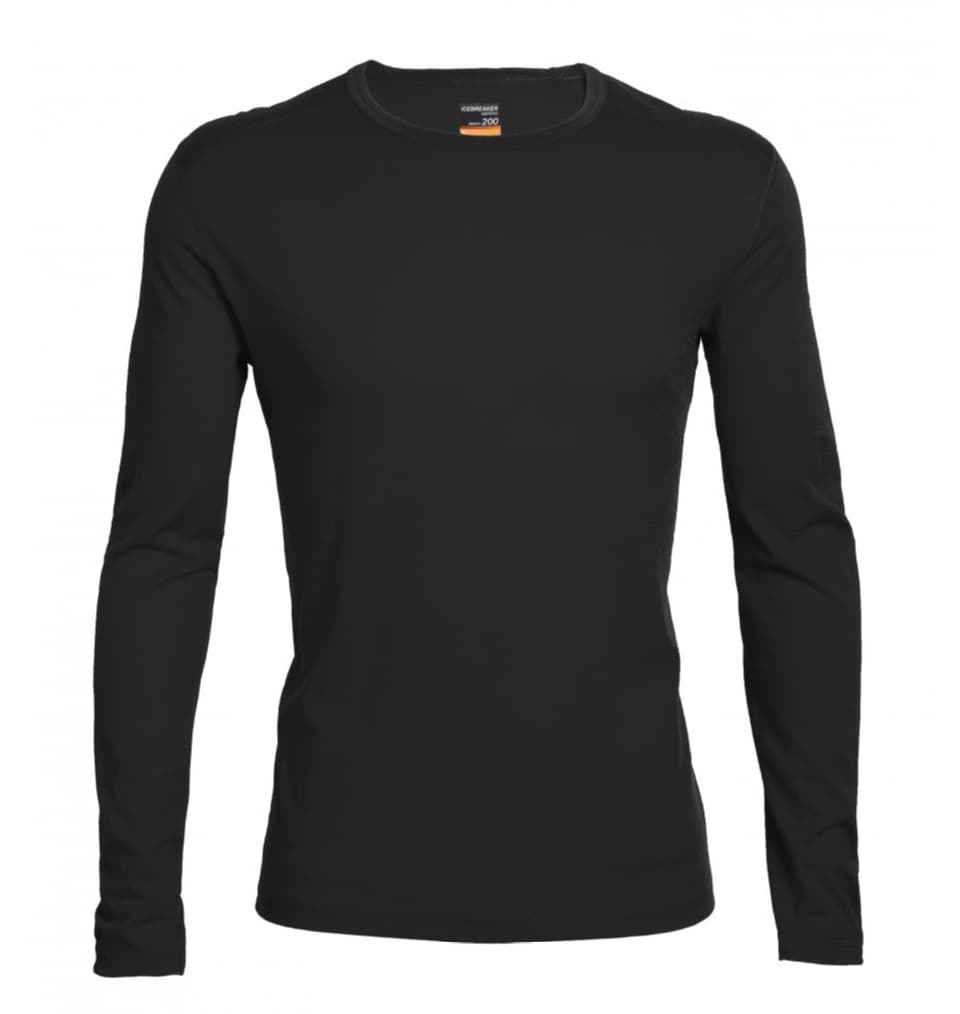
- Icebreaker 200 Oasis long-sleeve crew, 999 kr: women's · men's
- Devold Daily Merino Medium socks, 3-pack, 329 kr
Devold and Aclima are Norwegian wool brands — they also happen to be the souvenir people keep using.
Ice grips: the cheapest thing that will save your holiday
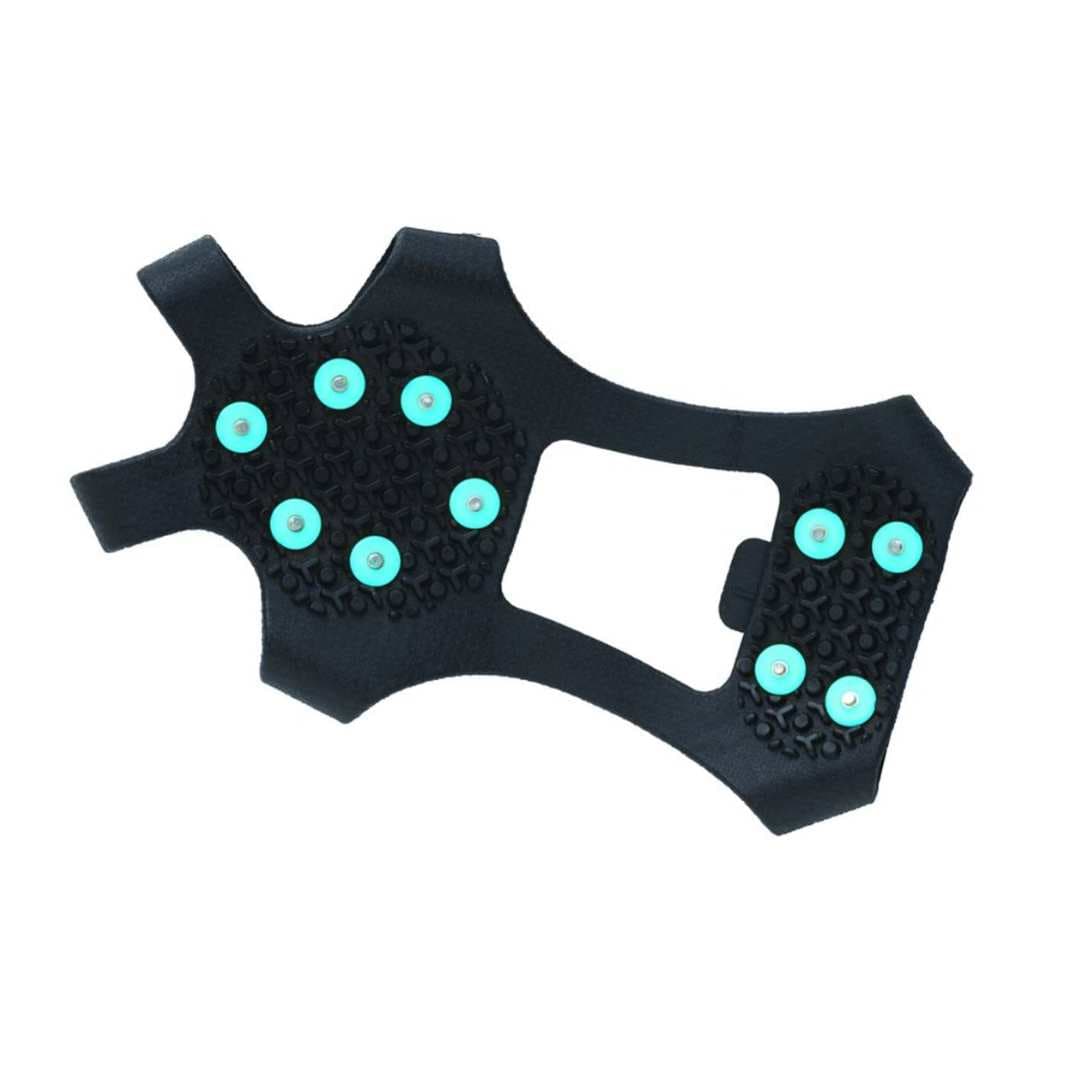
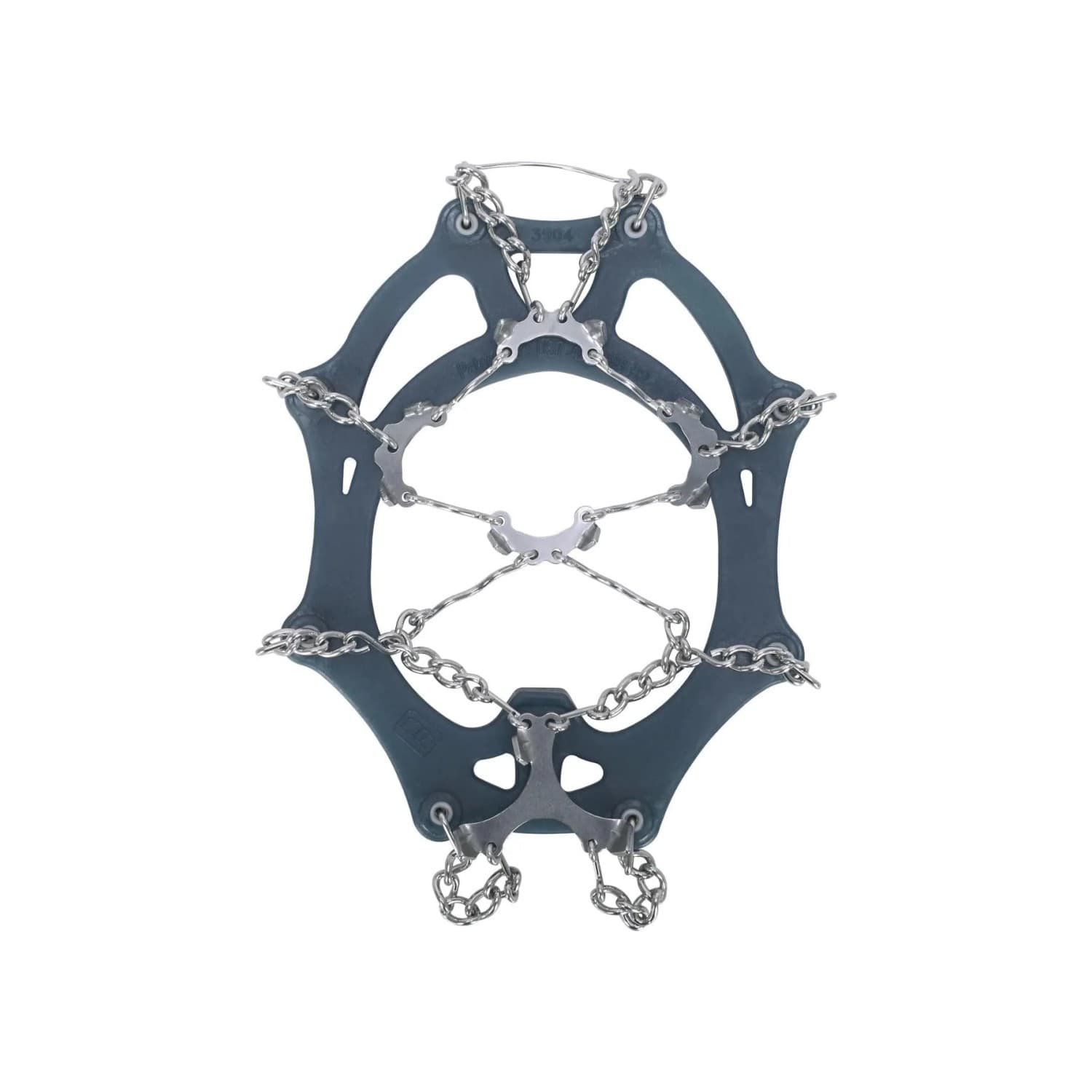
Tromsø's pavements are often sheer ice from November to April, and slipping is the most common way visitors get hurt. Ice grips (Norwegians call them brodder) are rubber frames with steel studs that you pull over your own shoes. They take ten seconds to put on and fit in a jacket pocket. Take them off indoors — they are slippery on tile floors and damage wooden ones.
- Nordic Grip Walking — for everyday pavements, several sizes, 249 kr
- Nordic Grip Running Medium — lower profile, also fine for walking, 349 kr
- Snowline Chainsen Pro — chain spikes for hiking trails and steep, icy paths, 699 kr
Browse all: ice grips, women's sizes · ice grips, men's sizes
For footwear, choose boots with a thick sole (the cold comes from the ground), a roomy fit so your toes can move, and wool socks. Tight boots are cold boots. If you want winter boots with built-in studs, look at Icebug's BUGrip models.
Mittens or gloves?
Mittens are warmer, full stop — your fingers share heat. Gloves are better when you need to operate a camera. What locals do is combine them: a thin wool liner glove you can keep on while you adjust the tripod, and a windproof mitten over it for the waiting.
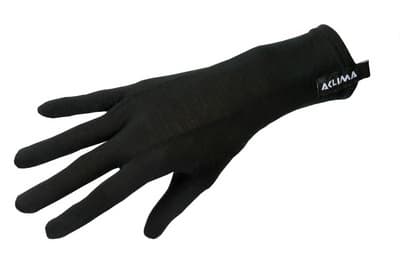
- Aclima LightWool liner gloves, 400 kr
- Aclima HotWool heavy liner mittens, 400 kr
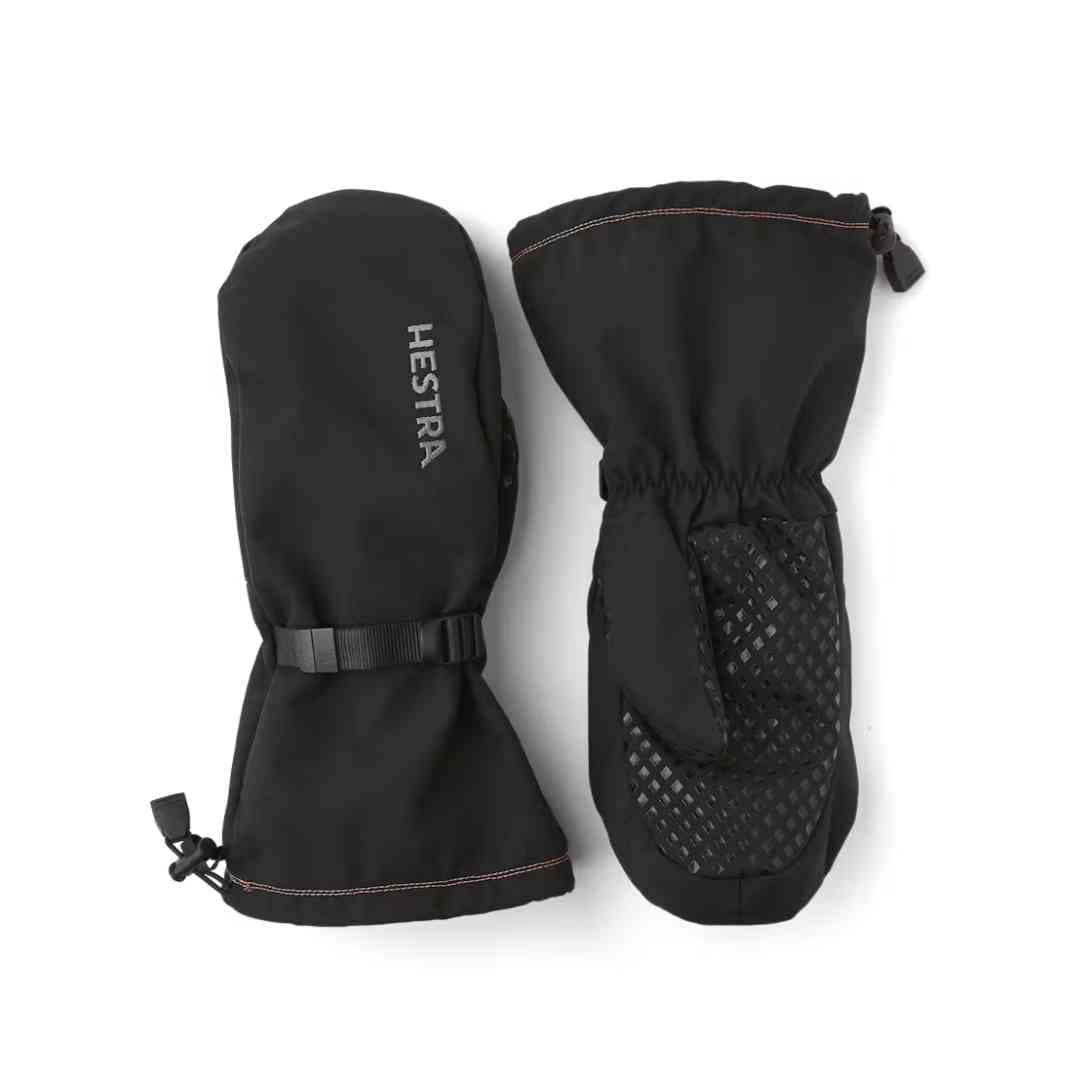
- Hestra Windbreaker pull-over mitt — shell mitten to wear over liners, 850 kr
- Disposable warmers from The Heat Company, 39 kr: hand warmer · toe warmer
Browse: gloves and mittens · hats · neck warmers
A wool hat that covers your ears and a neck warmer (a buff or headover) finish the job. A neck warmer you can pull up over your nose matters more than you would think on a windy whale-watching boat.
What to buy and what to rent — an honest list
You do not need to buy everything. Here is how we would split it.
| Item | Buy or rent? | Why |
|---|---|---|
| Thermal suit for northern lights, dog sledding or snowmobile tours | Borrow from the operator | Many activity providers supply thermal suits, boots, hats and mittens for the excursion. Check your booking before you buy anything bulky |
| Wool base layers | Buy | You wear them all day, every day. Hygiene alone rules out renting, and you will use them at home for years |
| Wool socks, hat, neck warmer, liner gloves | Buy | Small, inexpensive, used constantly |
| Ice grips | Buy | From 249 kr, used every time you step outside, and they work just as well on an icy street at home |
| Warm mittens | Buy if you stay more than a couple of days or will be out on your own | Operator mittens only cover the tour itself |
| Insulated winter jacket or parka | Depends. Rent if you will never use it again; buy if you stay a week or more or have winters at home | Several days of rental adds up quickly — compare with the purchase price before you decide |
| Heavy expedition boots | Rent or borrow from the operator | Unless you hike in winter at home |
| Skis, snowshoes, sleds | Rent |
The rule of thumb: rent what is bulky and single-purpose, buy what sits next to your skin and what you will keep using. For most visitors that means a wool set, socks, hat, mittens and ice grips — roughly 3,000 kr for gear that outlasts the trip many times over.
Dressing for the classic Tromsø excursions
Northern lights chase (bus or minibus): hours of standing still, often inland where it is coldest. Full wool base layer, thick mid layer, and accept the thermal suit if the operator offers one. Liner gloves for the camera, mittens over. Toe warmers in your boots.
Dog sledding: you alternate between standing on the runners and helping push uphill, so you swing between cold and sweaty. This is where wool earns its keep — it stays warm when damp. Operators normally provide the outer suit and boots.
Whale watching (roughly November–January): the wind on deck is the problem. Windproof outer layer, neck warmer over your face, hat that stays on. Open RIB boats supply flotation suits; on larger boats you wear your own clothes.
Walking around the city: base layer, jumper, windproof jacket, ice grips in your pocket. Shops and cafés are very warm indoors, so layers you can open or remove beat one enormous coat.
Where to find us in Tromsø
City centre — Veita, Storgata 102. On the main pedestrian street, walking distance from the harbour and the central hotels. The easiest stop if you land and realise your gloves are not going to cut it. Store page
Jekta shopping centre — Karlsøyvegen 10. Our largest selection, in the shopping centre near the airport. Store page
Tax-free shopping is available in both shops through PIE VAT — ask at the till.
Tell the staff where you are from, what you have booked and how long you are staying — they dress people for this climate all year and will tell you just as quickly what you do not need.
Prefer to sort it out before you fly? Order online and collect in store for free, or have it shipped within Norway. We also ship abroad from the web shop; for deliveries outside Norway the recipient pays local VAT and customs fees on arrival (terms: DAP).