Wool can last for decades with the right care – or be ruined in minutes in hot water. In this guide we show you how to wash, dry and store woollen garments correctly, and how to fix common problems such as pilling, felting and odour – without throwing the garment away.
Caring for wool – how to make your woollen garments last longer
Wool is perhaps the most underrated material in the wardrobe. Cared for properly, a good woollen garment can last for decades – but washed incorrectly, it will shrink, lose its shape or wear out long before it should. Here we cover everything you need to know about washing, drying, storing and repairing wool, whether it is a merino wool base layer, a thick knitted jumper or a pair of wool socks.
In brief
- Wash infrequently: wool is odour-resistant and self-cleaning, so airing is often enough.
- Wash correctly: wool programme at 30 degrees (or whatever the care label permits) and a wool detergent without enzymes. Never use fabric softener.
- Dry correctly: jumpers and thick garments should be laid flat; thin wool base layers can be hung up. Avoid sunlight, radiators and tumble dryers.
- Store clean and well-ventilated: wash before seasonal storage, because stains and sweat attract moths. No vacuum bags.
Why wool deserves a little extra attention
Wool is not like other materials. The fibre has a natural structure with small scales that can lock together when exposed to heat, moisture and movement – this is what causes felting. At the same time, wool is naturally odour-resistant and self-cleaning, which means woollen garments need washing less frequently than most other materials. Treat your wool correctly, and you will have a garment that retains warmth and breathes well with little odour – season after season.
How often should you wash wool?
Less often than you think. A wool jumper or merino wool garment usually only needs washing after several uses, not after every outing. Airing is often enough – hang the garment to air outdoors or in the bathroom after use, and most of the odour and moisture will disappear on its own.
Hand washing – the safest option
- Use lukewarm water, around 30 degrees
- Add a mild wool detergent (avoid regular detergent and fabric softener)
- Leave the garment to soak for a few minutes – do not rub or wring
- Rinse in lukewarm water, ideally with a final rinse in cold water – still without rubbing or wringing
- Gently press out the water, never wring
Machine washing – doing it safely
Many modern woollen garments, especially merino wool from Devold, Aclima and Icebreaker, can be machine washed. Always check the care label on the garment, but as a general rule:
- Use a wool or delicates programme at 30 degrees, or the temperature stated on the care label
- Use the standard spin of the wool programme – it removes water and detergent, and the wool programme is gentle throughout
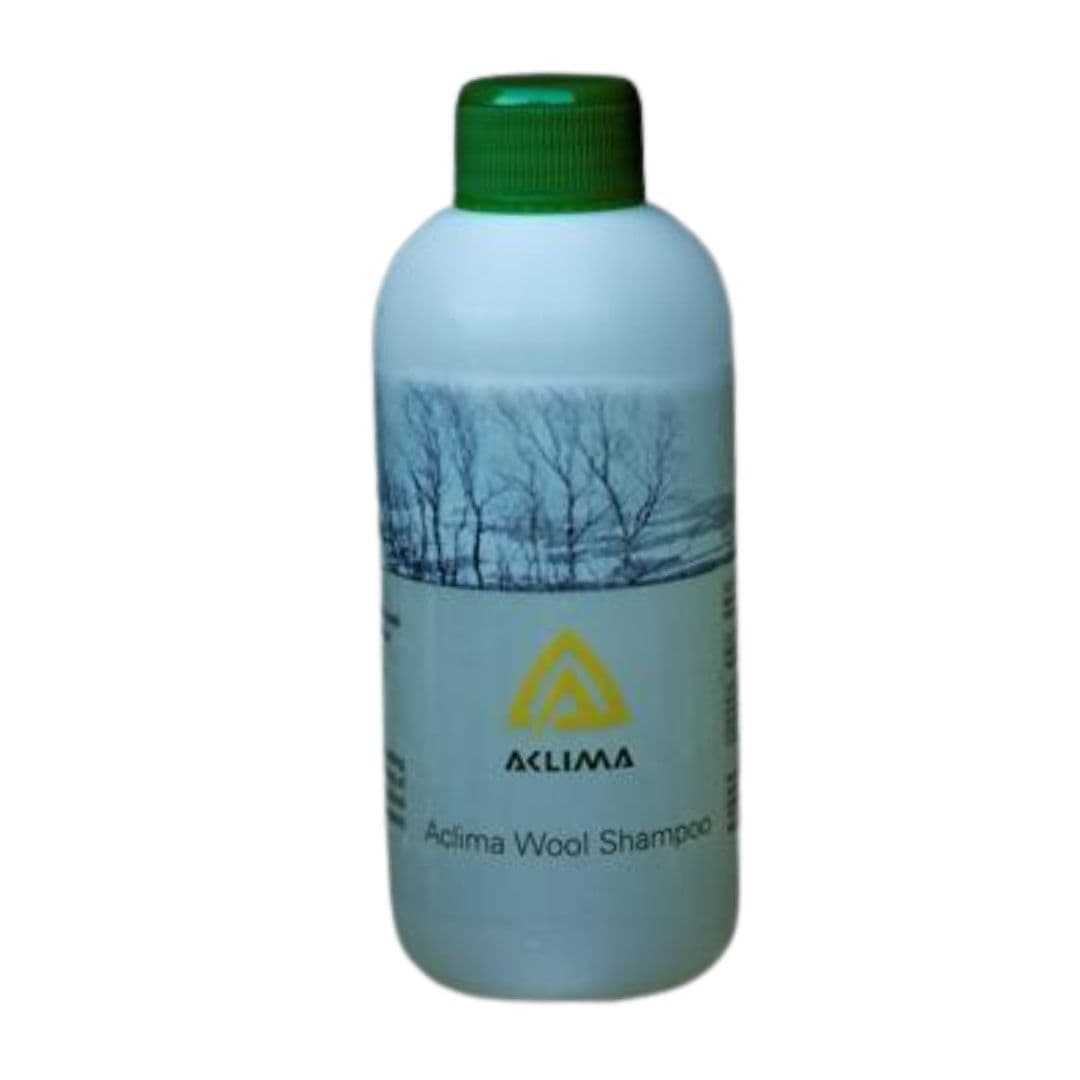
- Use a wool detergent without enzymes
- Wash woollen garments on their own, or with similar materials – zips and Velcro from other items can snag the fibres
- Turn the garment inside out to protect the surface
What to avoid
- Hot water – the main cause of wool shrinking and felting
- Fabric softener – it coats the fibres and reduces wool's natural properties
- Wringing by hand – damages the structure of the fibres and the shape of the garment
- Regular detergent containing enzymes – breaks down the wool fibre over time
Drying wool
Drying correctly is at least as important as washing. Wool dried incorrectly can stretch out of shape or shrink permanently.
- Lay knitted jumpers and thick garments flat to dry on a towel so they do not stretch out of shape. Thin wool base layers can be hung up to dry – follow the care label
- Gently roll the garment in a dry towel to press out excess water before laying it flat
- Avoid direct sunlight and heat from radiators or panel heaters – wool dries best at room temperature
- Reshape the garment while it is still damp
- Never use a tumble dryer unless the garment is specifically labelled as suitable for it – the heat shrinks wool fibres quickly and irreversibly
Storage – keeping moths away
Moths are wool's greatest enemy in the wardrobe. The larvae feed on wool fibre, and an unprotected garment can become riddled with holes within a single season.
- Always wash woollen garments before putting them away for the season – stains, sweat and skin residues attract moths
- Store wool in a dry, dark and well-ventilated place – preferably in breathable cotton bags. Vacuum bags are not recommended for wool
- Use moth repellent in the wardrobe, for example moth paper, lavender or cedarwood – but do not place it directly against the garment
- Air and ventilate wool garments regularly throughout the season when they are not in use
- Avoid plastic bags for extended periods – wool needs to breathe, and trapped moisture can cause mould
Common problems and how to fix them
The garment has felted
Light felting can sometimes be rescued by soaking the garment in cold water with a little hair conditioner added, and gently stretching the fibres back into shape while it dries flat. Unfortunately, heavy felting is difficult to reverse – prevention through proper washing is the best remedy.
The garment is pilling
Pilling is normal, especially in areas of high friction such as under the arms and beneath rucksack straps. Use a pilling comb or a battery-powered lint remover to remove the pills gently. Avoid shaving too aggressively – this can thin out the fabric.
Holes from moths or wear
Smaller holes can be repaired with a felting needle and a little yarn in a matching colour, or sewn together with a fine needle and thread. For larger damage on quality garments, it is often worth having the repair done by a professional rather than discarding the garment.
The garment smells
Wool rarely develops an odour even after heavy use, but should it happen, airing the garment outdoors is often sufficient. If that does not help, a short soak in water with a splash of vinegar can freshen up the fibres without damaging them.
Reproofing outer garments made of wool
Certain wool jackets and gilets, particularly those with a more tightly woven surface, can be reproofed for improved weather resistance. Use a reproofing product designed for natural fibres, apply to a clean and dry garment, and leave to air dry thoroughly before use.
Summary
Wool requires less frequent washing, but a little more care than synthetic materials. Wash infrequently, in lukewarm water with a wool detergent, dry jumpers flat and avoid heat. Store garments clean and protected against moths when not in use, and you will enjoy them for many years to come. A good wool garment is an investment – with the right care, it pays for itself season after season.
Not sure how best to care for your wool garment, or would you like help finding the right wool product? Pop into one of our shops in Tromsø and we will be happy to help.
Sources
- The Woolmark Company – How to wash wool — wool programme, hand washing in lukewarm water, mild detergent and drying
- The Woolmark Company – Caring for Wool — cleaning before storage, moths and drying away from heat
- Devold – Ta vare på ulla di — airing, 30-degree wool programme and why enzymes damage wool
- Aclima – Take care of your wool — wool detergent, spinning, drying and storage
- Norrøna – Vask og vedlikehold — washing merino wool and air drying
Last reviewed 19.10.2026.