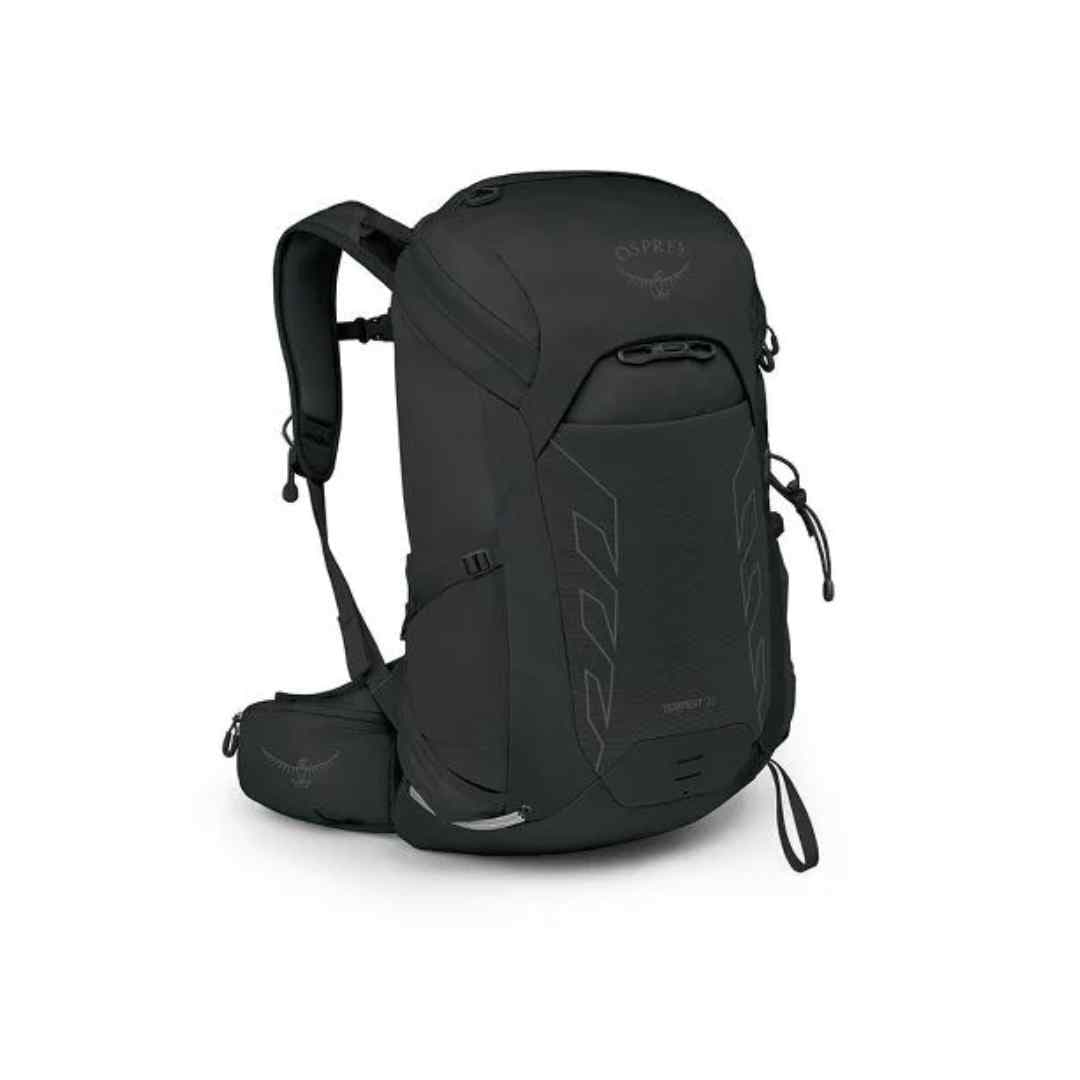
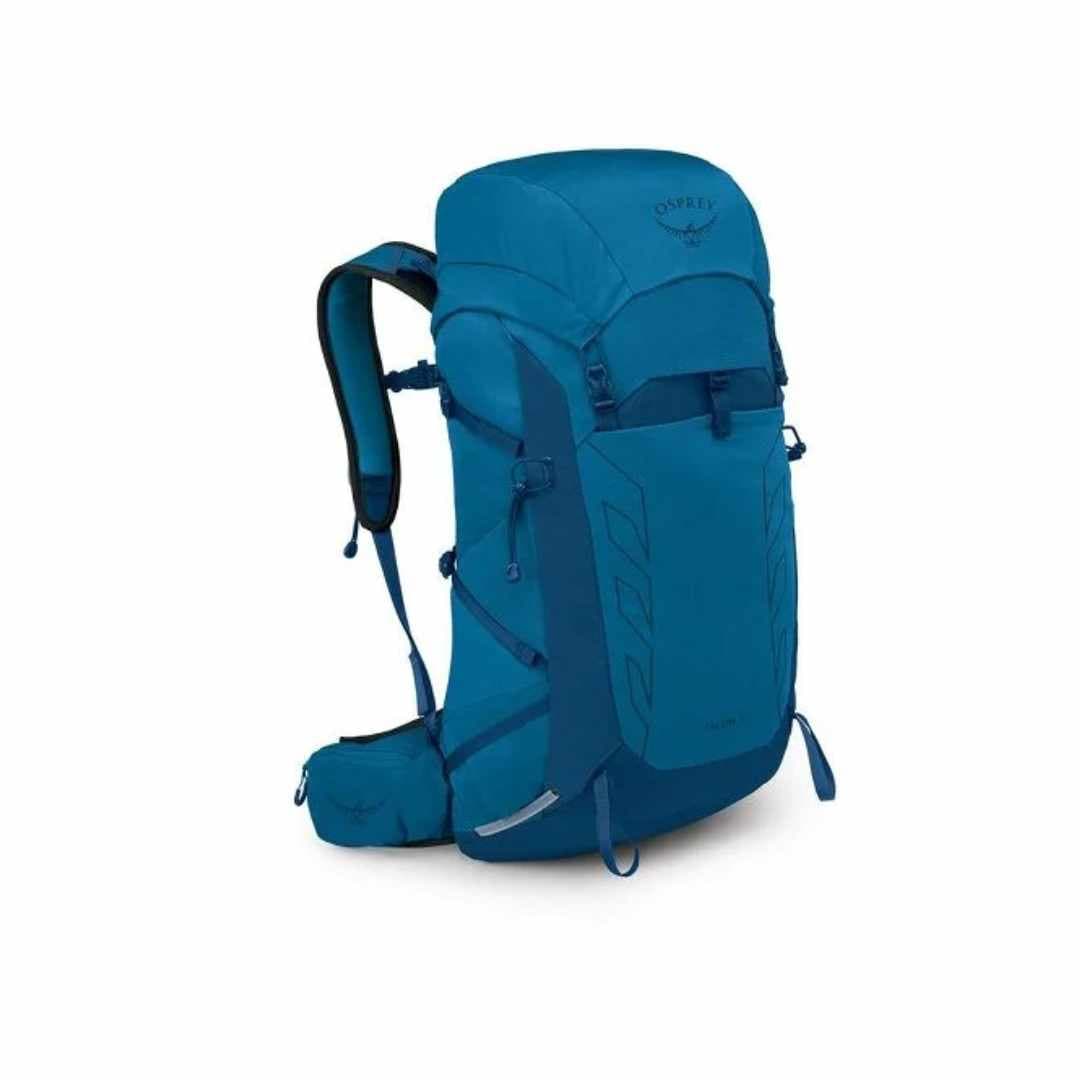
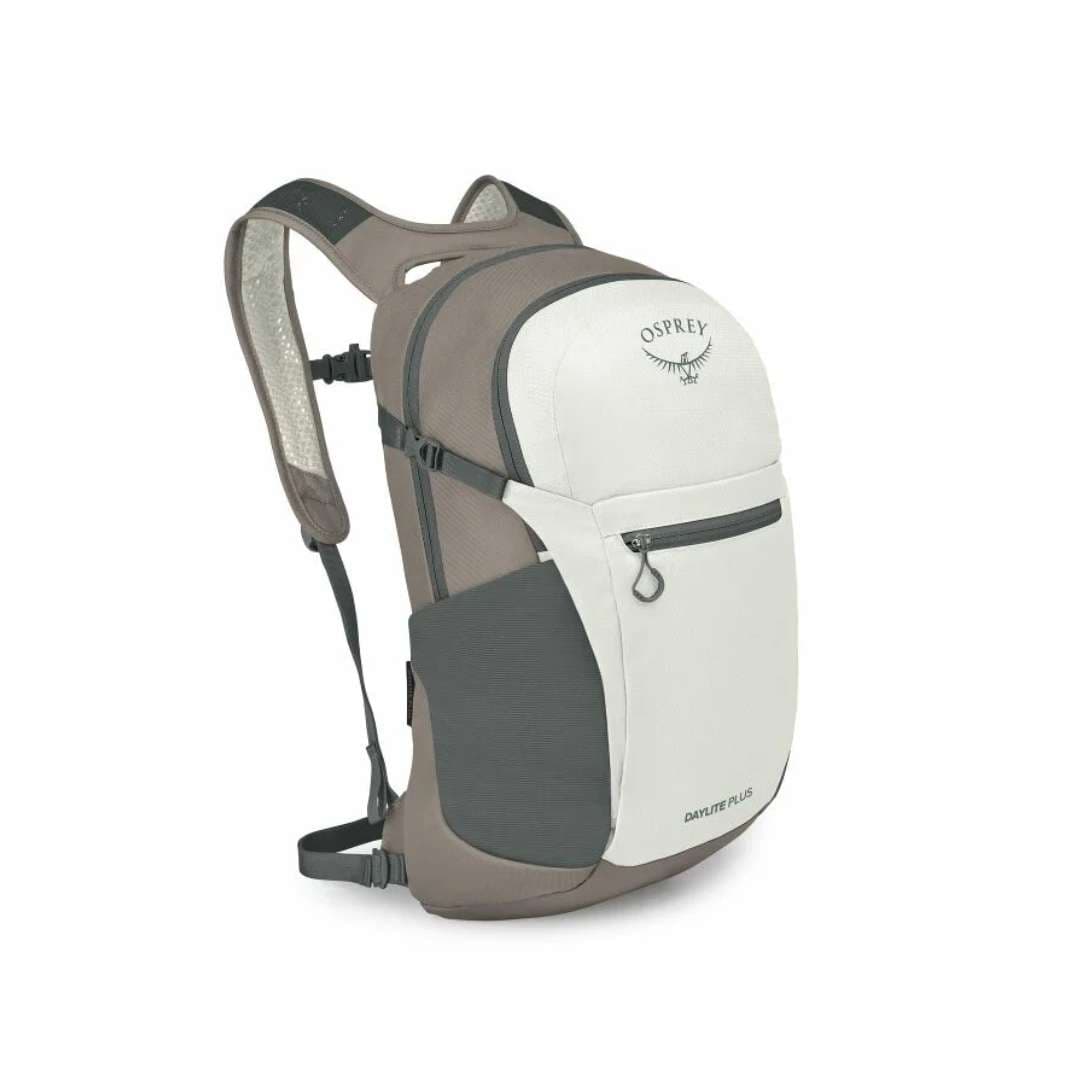
How large should the pack be? Which fit suits your back? We take you through everything you need to know about volume, fit and features – so you find the right daypack for both short and long trips.
A good rucksack can make the difference between a comfortable day out and an aching back. But what is actually the difference between a 20-litre and a 35-litre pack? Which fit suits your body? And when do you need a hip belt and chest strap? In this guide we take you through everything you need to consider before buying a daypack – so you find the right pack for your trips.
In brief
- Volume: 20–25 litres is enough for most day trips. Choose 25–35 litres for long days in the mountains, winter trips and when you are carrying things for children.
- Fit matters more than volume: measure your back length from the top protruding vertebra (C7) down to the hip bone, and compare with the manufacturer's size chart.
- Hip belt: useful from around 25 litres and when the pack is heavy. On a short trip with a light pack it is not necessary.
- Back system: a ventilated back is coolest on summer trips, while a close-contact back gives the best control with a heavy load.
- Bring a rain cover: most daypacks are water-resistant, but not waterproof.
What is a daypack?
A daypack is a rucksack designed for trips lasting from a few hours to a full day, without an overnight stay. It should be spacious enough to hold what you need for a day trip – food, drink, extra clothing, first aid and small items of equipment – but no larger than is comfortable and easy to carry.
Daypacks normally have a volume of between 15 and 35 litres, and a simpler construction than the larger expedition and multi-day packs. That does not mean they are basic – modern daypacks pack a great deal of clever functionality into a light and compact design.
Volume – how large a pack do you need?
A pack's volume is measured in litres (L) and describes how much it can hold. The right volume depends on how long your trip is and what you are bringing with you.
15–20 litres: Short trips and everyday use Suitable for trips to town, running, cycling, short nature walks or trips where you only need a drink, a jacket and a little food. Light and nimble, but limited space.
20–25 litres: Standard day trip Sweet spot for most day trips. Spacious enough for a drink, packed lunch, an extra fleece or jacket, first aid, a map and small items of equipment. Recommended size for most people going on trips in their local area or in the mountains.
25–35 litres: Long day trips and demanding trips For longer days in the mountains, winter trips or trips where you are bringing extra equipment such as a climbing harness, crampons, a camera or more food. Also a good choice if you are walking with children and need to carry their things.
35+ litres: Overnight trips At that point we are no longer talking about a daypack. If you are staying overnight, you need a larger pack – typically 40–65 litres for a mountain hut trip and 50–80 litres for a camping trip.
Tip: It is better to have a slightly too large pack than one that is too small. A half-full pack is easier to carry than an overfilled one, and you have room for extra layers if the weather changes.
Fit – the most important choice
Fit is even more important than volume. A pack that does not suit your body becomes heavy and uncomfortable no matter how good it is in every other respect. Packs are often measured by back length – not height.
How to measure your back length:
- Tilt your head forward and find the top protruding vertebra (C7).
- Place your hands on your hip bones (the top of your hip bone).
- Draw an imaginary horizontal line between your thumbs pointing backwards.
- Measure the distance between C7 and this line along the spine.
Typical back lengths (varies between brands – check the manufacturer's size chart):
- S/Short: 38–43 cm
- M/Regular: 43–48 cm
- L/Long: 48–53 cm
Many modern packs have an adjustable back system, which lets you tailor the pack to your back length. Osprey in particular has excellent systems such as AirScape and AntiGravity – which provide both good ventilation and stability even under a heavy load.
Women's and men's specific packs
Women's packs normally have:
- A shorter back length
- Narrower shoulder straps
- A different hip belt angle to suit a woman's hip width
- S-shaped shoulder straps that go around the chest
If you use a pack that is not designed for your gender, you may experience chafing and poor weight distribution.
The back system – what is the difference?
The back system is what sits against your back and determines both comfort and ventilation.
Close-contact back system (foamed back) Foam padding that sits close against the back. Provides the best load transfer and control, but can cause a sweaty back on warm days. Best for heavy loads and demanding trips.
Ventilated back system (mesh/trampoline) A mesh panel is stretched between the pack and your back, allowing air to circulate. Much cooler against the back, but can feel slightly less stable with heavy loads. Best for summer hikes and light loads.
Hybrid system Combines ventilation with good load transfer. A solid middle ground for many people.
For a northern Norwegian summer a ventilated back system is often recommended, as temperatures vary and you can work up a sweat even on relatively cool days.
Straps and belts – why they matter
A good day pack offers several adjustment options to distribute weight as effectively as possible.
Shoulder straps Should be padded, adjustable, and shaped to follow your shoulders. Check that they do not chafe against your neck or underarm.
Hip belt On day packs from around 25 litres, the hip belt is useful – it transfers weight from the shoulders to the hips, and should therefore be padded and wide. On packs under 20 litres it is often just a thin strap, and on a short trip with a light pack it is not necessary.
Chest strap Keeps the shoulder straps in place and prevents them from sliding outwards. Should be height-adjustable.
Side and top adjustment straps Used to cinch the pack so that the load sits close to your back. Very important for comfort – loose load swinging back and forth puts strain on your back.
Features and details to look for
Beyond fit and volume, there are several details that set a good day pack apart from a mediocre one:
Pockets and compartments
- Top lid pocket: For small items you need frequently (phone, wallet, keys)
- Hip belt pockets: Easy access to snacks, a map or your phone while walking
- Side pockets for water bottles: Preferably elasticated so the bottle stays securely in place
- Main compartment with top opening: Standard and practical
- U-shaped or side opening: Lets you unpack without emptying the entire pack
- Hidden pocket on the back panel: For valuables
Hydration system (reservoir) Most modern day packs have room for a hydration reservoir (Camelbak, Source or similar) of 1.5–3 litres, with a port for the drinking tube. Convenient on long hikes when you want to drink without stopping.
Rain cover Many packs include a built-in rain cover stored in a dedicated pocket. A smart feature for northern Norwegian summers where rain can arrive without warning. If your pack does not include one, you can buy a rain cover separately.
Attachment points
- Trekking pole attachment: For walking poles or an ice axe
- Side straps: For attaching a sleeping mat, climbing gear or a jacket
- Daisy chain: A row of loops for securing extra equipment
Material and water resistance
Most day packs are made from polyester or nylon with a water-repellent treatment – but they are not waterproof. If you expect heavy rain, you will need a rain cover as well, or pack valuables inside the pack in a waterproof bag.
Weight – how much should a pack weigh?
An empty day pack normally weighs between 500 and 1,500 grams, depending on size and features. Ultralight models can weigh as little as 300 grams, but often sacrifice comfort and durability.
Rule of thumb: When fully packed, the total weight should not exceed 10% of your body weight. For a person weighing 80 kg, that means a maximum total weight of 8 kg – pack included.
How to fit your pack correctly
A pack that is not properly adjusted feels heavy and uncomfortable no matter how good it is. Here is how to adjust your pack step by step:
1. Loosen all straps first. Shoulder straps, chest strap and hip belt.
2. Position the hip belt. It should sit on your hip bones – not on your waist and not on your thighs. Tighten until it feels secure, but not too tight.
3. Tighten the shoulder straps moderately. Your shoulders should feel a gentle downward pressure, but should not be pulled upwards.
4. Fasten the chest strap. Position it approximately 5 cm below your collarbone. Tighten until the shoulder straps are held in place.
5. Adjust the load lifter straps. These run from the top of the pack to the shoulder straps. They should be at approximately a 45-degree angle.
6. Fine-tune. You should be able to swing your arms freely, the hip belt should bear most of the weight, and the pack should not swing back and forth.
Common mistakes when buying a day pack
Mistake 1: Choosing too large a pack A "safety margin" sounds sensible, but a pack that is too large is more likely to be overfilled and poorly packed. Choose the right size for most of your intended use.
Mistake 2: Ignoring fit Many people choose a pack based on design and price, and forget to check whether it suits their body. A cheap pack that fits well is better than an expensive one that does not.
Mistake 3: Leaving the hip belt unused If your pack has a hip belt, use it – especially when the pack is heavy. It noticeably relieves the strain on your shoulders.
Mistake 4: Packing heavy items at the bottom Heavy items should be packed in the middle of the pack, close to your back. Light items go at the bottom and top. This keeps the load balanced and easy to carry.
Mistake 5: Forgetting a rain cover Norwegian summers are wet. A rain cover is not optional – it is essential. Save yourself the trouble of a soaked jacket in your pack and buy one straight away.
How to choose the right day pack – a brief summary
Ask yourself before you buy:
- What kind of trips will the pack be used for? Short trips in town, day hikes in the mountains, long marches or a mixture?
- How much gear do you normally carry? Just food and water, or lots of extra clothing and equipment?
- What is your back length? Measure to choose the right size.
- Do you need ventilation or stability? Depends on temperature and load.
- Which features are important? Hydration system, rain cover, plenty of pockets or a minimalist design?
Where can you buy a hiking pack in Tromsø?
At Jobb og Fritid we stock packs from Osprey (the largest range), Fjällräven, Norrøna, Arc'teryx and Klättermusen. We are a proud retailer of Osprey – known for comfort, long lifespan and the All Mighty Guarantee, under which Osprey repairs packs with damage or defects.
- Jobb og Fritid Jekta (Karlsøyvegen 10) — the widest selection and plenty of space to walk around with the pack loaded. Open until 21:00 on weekdays.
- Jobb og Fritid Veita (Storgata 102, city centre) — selected models in the heart of town.
The full range is available at jobbogfritid.no – free delivery on orders over 899 kr, and you can collect in store on the same day the item is in stock.
Sources
- DNT – How to choose the right pack for your trip — volume for day trips, cabin trips and camping trips, and back length
- DNT – Packing list for the day trip — what the day pack should hold
- Osprey – User guide Atmos/Aura AG LT (PDF) — how to fit the pack, step by step
- Deuter – All about trekking backpacks — measuring back length and packing close to the back
Last checked 19.10.2026.